

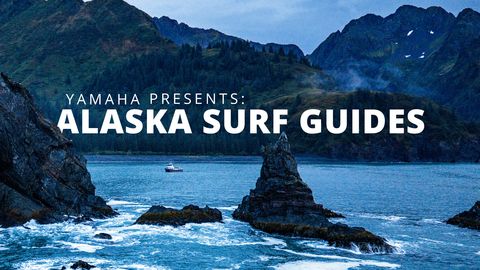
Yamaha’s spotlight on Alaska Surf Guides and Captain Scott Reierson isn’t just another glossy marine promo—it’s a vivid reminder that the same rugged self-reliance that powers remote surf expeditions also underpins the Second Amendment’s core purpose. Reierson’s Yamaha-powered runs along Alaska’s wild coastline let him chase uncrowded waves without waiting for government permission or commercial shuttles, echoing how armed citizens historically secured their own access to frontier resources when official infrastructure didn’t exist. The cinematic footage of throttle-wide runs through icy channels quietly underscores a truth the coastal media rarely admits: personal mobility, whether on water or in the backcountry, is multiplied by privately owned tools that don’t require a permit to operate or a bureaucrat’s blessing to carry.
For the 2A community, the story lands as more than gear porn; it’s a case study in how versatile, civilian-owned technology expands the practical reach of individual liberty. Just as an outboard lets Reierson slip beyond cell range and Coast Guard response times, a lawfully carried firearm extends personal security when the nearest deputy is hours away by skiff or floatplane. Both choices reject the premise that safety and adventure must be outsourced to the state, and both face the same creeping regulatory pressure—noise rules on the water, magazine or “assault weapon” bans on land—that threatens to shrink the envelope of where free citizens can responsibly go. Yamaha’s decision to celebrate rather than sanitize that independence sends a subtle but welcome signal that private enterprise still values the rugged individualism the Bill of Rights was written to protect.
Ultimately, the Alaska Surf Guides piece reframes “adventure marketing” as quiet advocacy for the tools and mindset that keep the frontier spirit alive. Every frame of Reierson carving waves after a long Yamaha transit is also an argument for keeping civilian access to the machines—outboards, trucks, and yes, firearms—that turn wilderness from postcard to playground. In an era when coastal elites increasingly view remote places as fragile preserves best managed from afar, stories like this quietly insist that the best stewards are the armed, equipped, and self-directed citizens already out there living the life.


