

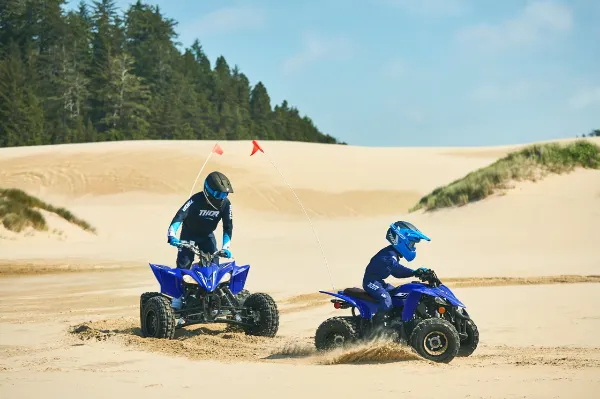
Yamaha’s 2027 ATV refresh may look like a paint-and-graphics exercise on the surface, but the decision to keep every full-size machine rolling out of the Newnan, Georgia plant carries a deeper message for the firearms community. In an era when some powersports brands flirt with offshore production to chase margins, Yamaha is doubling down on American assembly—meaning the same skilled workforce that builds these machines also keeps local supply chains, tooling expertise, and tax revenue anchored inside U.S. borders. That stability matters when anti-Second Amendment policymakers eye every rural industry as a pressure point; a robust domestic ATV sector helps sustain the very counties and landowners who rely on these vehicles to patrol property, reach remote ranges, and exercise their right to keep and bear arms far from prying eyes.
Beyond the showroom appeal of new colorways on the YFZ450R, Raptor 700, Grizzly, and Kodiak, the 2027 line quietly reinforces the practical ecosystem that supports armed self-reliance. Sport models like the Raptor and YFZ give weekend shooters a fast, durable platform for hauling steel targets and gear across uneven terrain, while the utility-focused Grizzly and Kodiak remain the go-to choice for farmers and homesteaders who need to move feed, fencing, and yes, firearms between pastures without drawing attention on public roads. By refreshing these proven platforms rather than chasing radical redesigns, Yamaha signals that it understands how its customers actually use the machines—day in, day out, in places where cellphone coverage is spotty and the nearest deputy is thirty minutes away.
For the 2A community, the takeaway is straightforward: supporting companies that build in America isn’t just patriotic rhetoric; it’s a strategic hedge. Every ATV that stays in production at Newnan is another thread in the tapestry of rural infrastructure that makes constitutional carry and land-based training logistically feasible. As regulatory winds shift and urban-centric policies increasingly target vehicle access, fuel types, and even trail permits, a manufacturer that keeps its tooling and talent on U.S. soil gives the firearms community one less variable to worry about when planning the next range day or back-forty exercise.


