

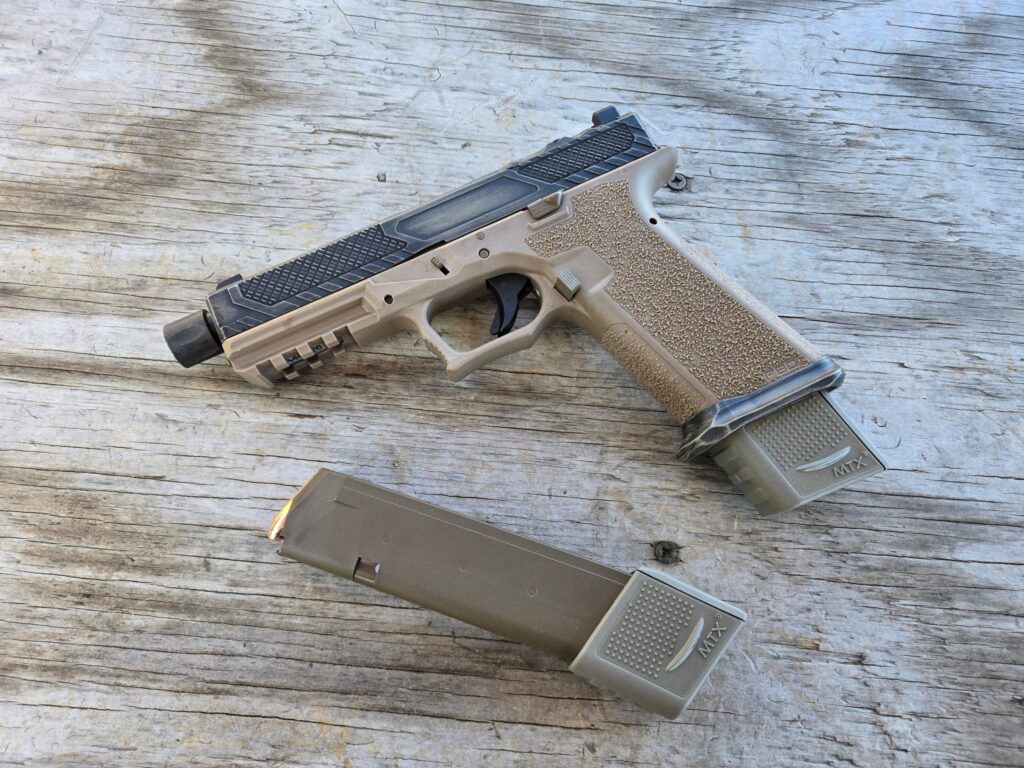
XTech Tactical’s new +5 baseplate for the Glock 17 isn’t just another capacity gadget; it’s a quiet reminder that the aftermarket continues to outpace legislative attempts to freeze magazine limits in amber. By pushing the standard 17-round magazine to a reliable 22, the extension gives everyday carriers and competition shooters an extra string of fire without forcing them to carry a second gun or a second magazine. The fact that it drops in “in minutes” and survived real-world torture testing tells you everything about how far polymer engineering and spring design have come since the days when +2 pads were considered cutting-edge.
For the broader 2A community, this is another data point in the long-running argument that hardware restrictions are ultimately self-defeating. Lawmakers can ban standard-capacity magazines in one state, but they can’t stop an engineer in another state from machining a few millimeters of extra polymer and a stiffer spring. The result is a de-facto rollback of capacity limits for anyone willing to spend thirty bucks and five minutes at the workbench—an outcome that undercuts the premise that government can simply declare a round count “high-capacity” and make it disappear. More importantly, it keeps the focus where it belongs: on the shooter’s training, decision-making, and legal use of force rather than on arbitrary hardware specs.
What makes the XTech piece especially interesting is how uncontroversial the performance claims are. When a product survives both range abuse and legal scrutiny without drama, it quietly normalizes the idea that twenty-plus rounds in a service-sized pistol is now ordinary equipment. That normalization matters. It shifts the Overton window inside the gun community itself, making reduced-capacity mandates look increasingly anachronistic to the very people who would be most affected by them. In short, XTech didn’t just sell an extension—they sold another brick in the wall of practical, lawful self-reliance that no new statute has yet managed to topple.


