

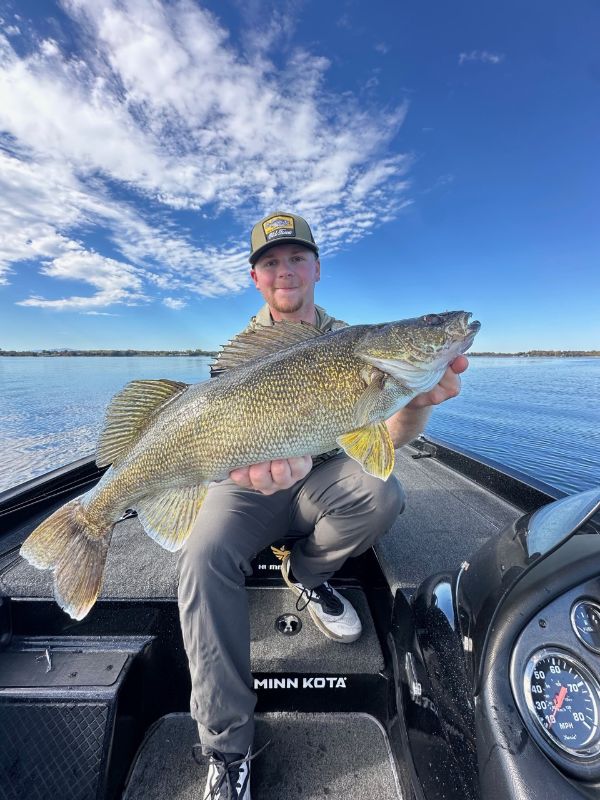
Biologists at the Minnesota Department of Natural Resources used Sport Fish Restoration Act funds to compare walleye fry survival in southern lakes. They stocked equal numbers of marked southern-strain and northern-strain fry into six lakes each spring for four years, then counted fingerlings in autumn.
Southern-origin fish survived at higher rates and were better suited to local conditions than the northern broodstock used for decades. Establishing a southern broodstock would require a large initial outlay but could cut long-term costs by reducing restocking of fish less likely to last through summer.
Those savings could leave more license and tax dollars for other fisheries work.


