

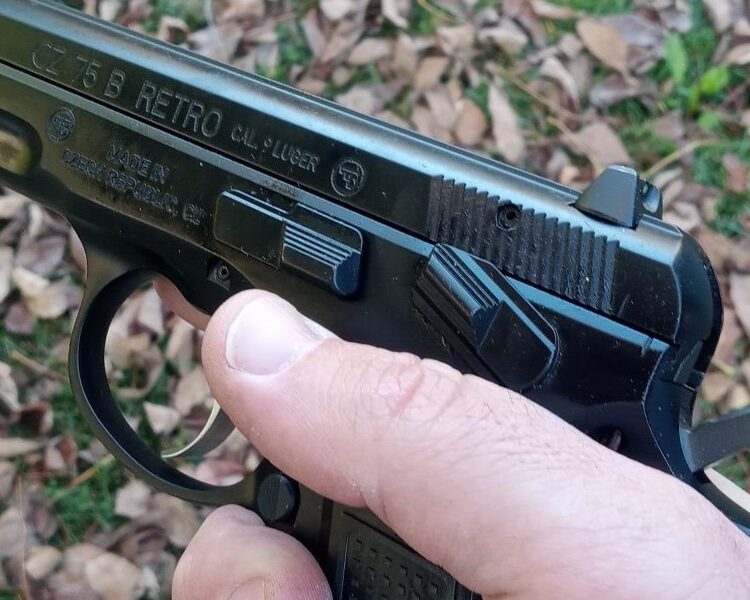
The debate over manual safeties on handguns isn’t just about mechanics—it’s about trust in the shooter versus trust in the gun. A well-designed safety can serve as a deliberate speed bump between intent and ignition, giving the user an extra layer of protection during holstering, re-holstering, or when adrenaline is high and fine motor skills degrade. Yet the counter-argument carries real weight: under stress, that same lever can become another thing to fumble, and modern striker-fired pistols with consistent trigger weights and internal safeties have proven they can be carried safely without an external switch. The 2A community’s real takeaway is that training and mindset trump hardware; a safety is only as good as the shooter who practices with it until its use is automatic.
What matters more than the presence or absence of a lever is how the platform fits the individual’s carry style, draw stroke, and decision-making process. Competition shooters often prefer the crisp, uninterrupted trigger of a Glock or similar because fractions of a second count, while those who carry appendix or in environments with children may appreciate the visual and tactile reassurance of a safety they can verify at a glance. The myth that “safeties cause negligent discharges” is usually cover for poor training; the myth that “safeties are unnecessary” ignores the reality that some users benefit from an extra mechanical barrier. Ultimately, the Second Amendment protects the right to choose the tool that best matches your risk tolerance and skill level—whether that means a 1911 with a thumb safety you ride during the draw or a striker-fired pistol whose only safety is the one between your ears.


