

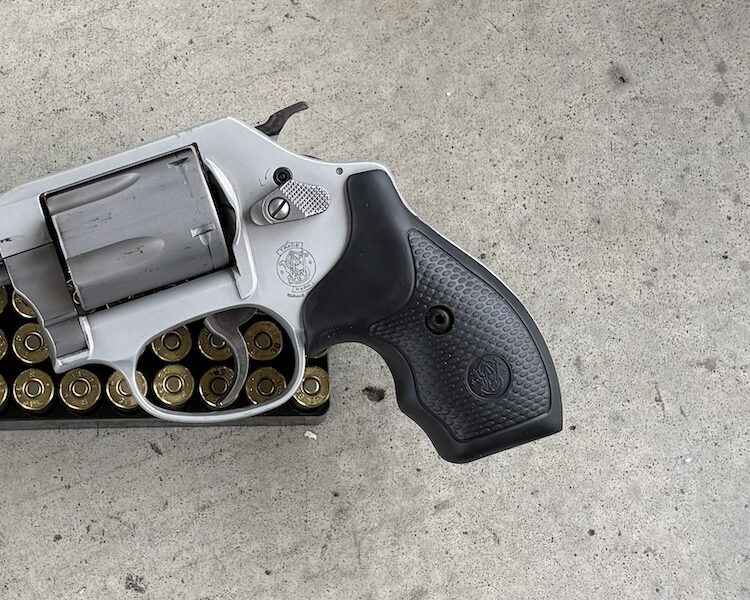
Smith & Wesson’s J-Frame has outlasted entire generations of semi-automatic designs because it solves a problem that technology still hasn’t: a compact, mechanically simple defensive tool that works when everything else fails. In an era of striker-fired pistols with red-dot sights and 15-round magazines, the snub-nose revolver remains the choice for deep concealment, pocket carry, and last-ditch backup precisely because it has no manual safety, no slide to rack, and no magazine to lose. That mechanical stubbornness translates directly into reliability under stress—something the 2A community values when the discussion shifts from range toys to tools that must function after being forgotten in a pocket for months.
The continued relevance of the J-Frame also underscores a deeper truth about rights and responsibility: the most effective self-defense option for many citizens is the one that fits their actual lifestyle rather than the one that wins internet debates. For older shooters, smaller-statured carriers, or anyone prioritizing discretion over capacity, the five-shot .38 Special or .357 Magnum revolver delivers stopping power without the bulk or complexity that can discourage daily carry. This isn’t nostalgia; it’s a practical acknowledgment that the Second Amendment protects the right to keep and bear arms suited to the individual, not just the platform currently favored by tactical forums.
Ultimately, the J-Frame’s longevity serves as quiet resistance to the notion that newer and more complicated is always better. While the industry chases higher capacity and electronic sights, Smith & Wesson’s little wheelgun reminds carriers that five well-placed shots from a gun you actually have on your person beats fifteen rounds left at home. In a culture increasingly hostile to armed self-defense, that enduring simplicity keeps the J-Frame not just relevant, but quietly subversive.


