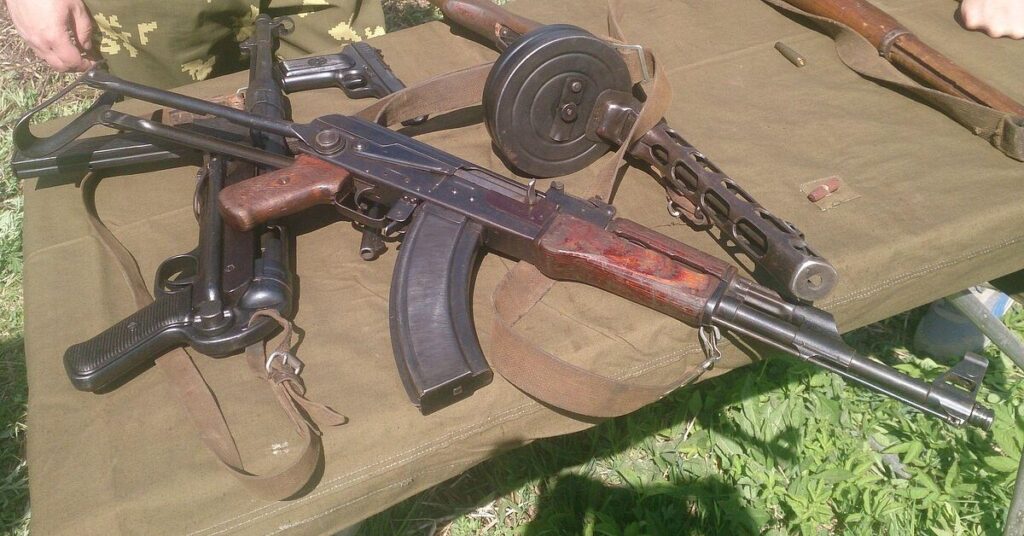
When I was a kid, I always watched the credits of action movies until the end, waiting for one credit in particular—the movie armorer. The existence of such a job seemed too good to be true, since it encompassed all of my favorite hobbies: guns and movies. As I was getting older, I often criticized movie armorers and historical consultants, noticing small mistakes and serious blunders that pulled me out of the story. Yet the more I learned about the realities of film production, the more I realized these errors rarely stem from ignorance alone; they often reflect the tension between dramatic license, tight shooting schedules, and a broader cultural disconnect from the firearms community itself. When a prop gun is chosen for its visual “cool factor” rather than its mechanical accuracy, or when a consultant’s input is overridden by a director chasing spectacle, the result is a subtle erosion of public understanding—reinforcing the very misconceptions that anti-Second Amendment voices later weaponize in policy debates. For the 2A community, these on-screen missteps are more than nitpicks; they shape the baseline assumptions millions of viewers carry into real-world conversations about safety, training, and the responsible exercise of our rights.




