

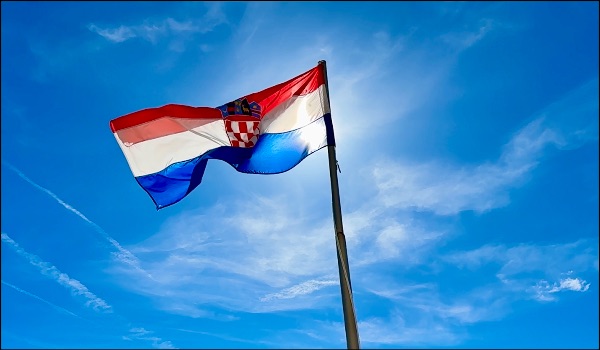
Croatia’s emergence as a go-to destination for American hunters isn’t just about cheaper tags or picturesque Adriatic backdrops—it’s a direct result of the country’s post-communist embrace of private firearm ownership and a regulatory climate that treats hunting as both heritage and economic driver. While U.S. states continue to layer permitting fees, magazine restrictions, and ever-shifting “assault weapon” definitions onto law-abiding citizens, Croatia streamlined its process after EU accession, allowing non-residents to import sporting rifles and shotguns with straightforward temporary permits and minimal red tape. That contrast is not lost on American travelers who routinely face multi-month waits for suppressors or short-barreled rifles back home; in Croatia they can rent or bring their own precision bolt guns, hunt driven boar at dawn, and still catch an evening flight without navigating the bureaucratic maze that now defines many domestic seasons.
For the 2A community the takeaway is both practical and philosophical. Practically, Croatia demonstrates that rigorous background checks paired with shall-issue carry and straightforward import rules can coexist with robust hunting culture and low violent crime—undercutting the narrative that any expansion of rights inevitably leads to chaos. Philosophically, it underscores how quickly a nation can pivot from decades of state monopoly on arms to a model where citizens and visitors alike exercise the right to keep and bear arms for sport, sustenance, and defense. As more U.S. hunters discover that a single transatlantic ticket can buy them a week of ethical hunting without the latest state-level pistol roster or magazine ban hanging over their trip, the Croatian experience quietly reinforces a core Second Amendment truth: when governments treat responsible gun owners as assets rather than liabilities, both conservation funding and individual liberty flourish.


