

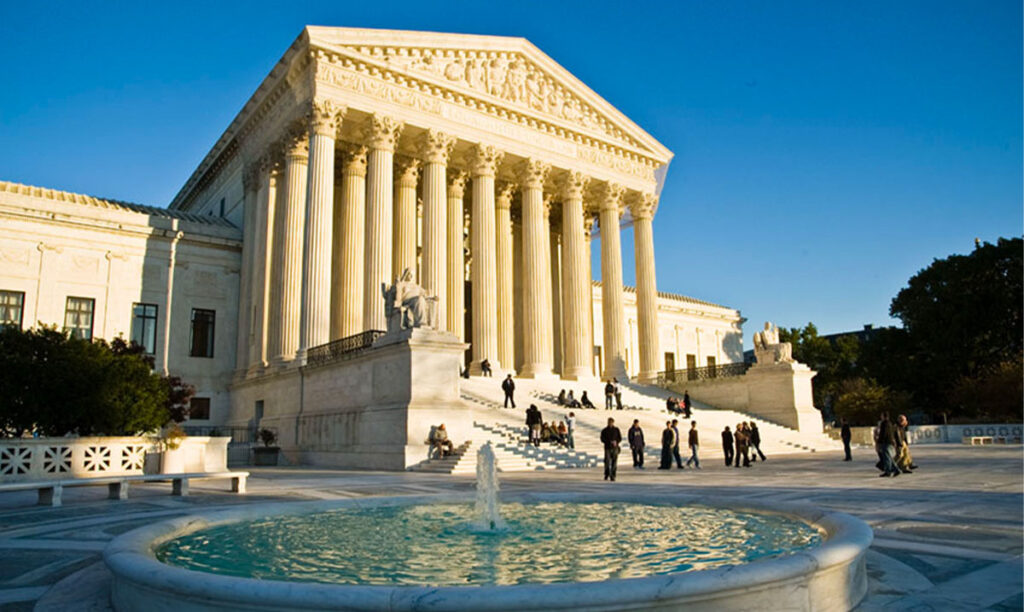
The Supreme Court’s decision to hear Viramontes and Grant is more than a procedural footnote; it’s the first time the nation’s highest court will directly confront whether a popular, widely owned class of semiautomatic rifles can be singled out for prohibition after Bruen’s text-and-history test. By granting cert on two separate state-level bans, the justices are signaling they understand that “assault weapon” restrictions are the next logical battleground once carry rights were secured. For the 2A community this is both validation and a warning shot: lower courts have spent the last two years inventing new interest-balancing frameworks to uphold bans, and only a clear, originalist opinion will stop that trend from metastasizing into magazine-capacity limits, feature bans, and eventual registration schemes.
What makes the timing especially potent is the factual record the Court will now confront. Modern Sporting Rifles are not obscure military curios; they are the single best-selling centerfire rifle platform in America, owned by millions of law-abiding citizens for sport, competition, and home defense. Cook County and Connecticut’s laws rest on the same discredited premise that cosmetic features or rates of fire magically transform an otherwise lawful arm into a public menace—an argument already rejected by the plain text of the Second Amendment and by historical evidence that the founding generation regulated arms based on their dangerous and unusual character, not their popularity or ergonomics. If the Court applies Bruen faithfully, these bans collapse; if it hedges, the 2A community will face a decade of piecemeal litigation that effectively nullifies Heller and Bruen through a thousand regulatory cuts.
The implications stretch far beyond Illinois and Connecticut. A strong ruling will instantly place similar statutes in California, New York, New Jersey, and a half-dozen other states on life support, while simultaneously giving judges the analytical tools to strike down “sensitive places” doctrines and magazine restrictions that have proliferated since Bruen. Conversely, a muddled decision will invite states to double down on “assault weapon” rhetoric, energizing the next round of ballot initiatives and emergency legislation. Either way, the 2A grassroots now has a focal point: every amicus brief, every state attorney general brief, and every public comment between now and oral argument is an opportunity to remind the Court that millions of ordinary Americans already rely on these rifles for lawful purposes and that the Constitution does not permit their sudden criminalization by legislative whim.


