

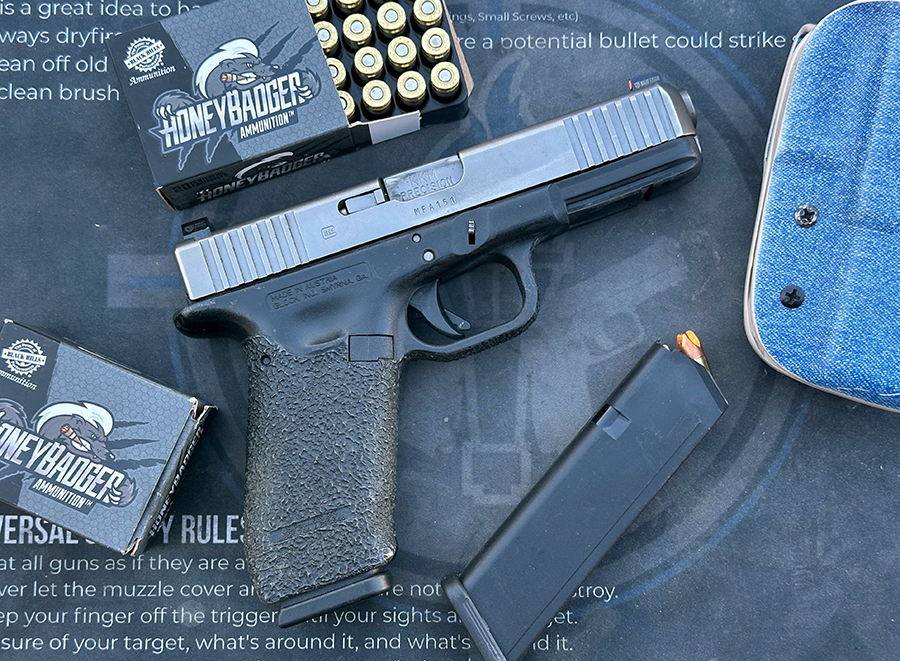
Gun owners have watched this movie before—California passes a sweeping restriction, a couple of copy-cat states pile on, and the industry is left scrambling to redesign products that already meet every objective safety test on the books. The latest round targeting GLOCK’s modular platform is no different; it’s a transparent attempt to criminalize a feature set that millions of law-abiding citizens rely on for home defense, competition, and everyday carry. While the Second Amendment text and recent Supreme Court precedent make these bans look constitutionally fragile, the real danger isn’t a single courtroom loss—it’s the normalization of “ban first, litigate later” tactics that force manufacturers to self-censor and raise prices for everyone else.
The deeper implication is strategic: anti-gun legislators are banking on prolonged, expensive litigation to achieve through attrition what they can’t win at the ballot box. Each new restriction chips away at product availability, drives small FFLs out of business, and conditions the public to accept ever-narrower definitions of an “acceptable” firearm. If the 2A community treats court victories as the finish line rather than the starting point, we’ll simply be playing defense on an ever-shrinking battlefield. Sustained pushback has to include statehouse mobilization, manufacturer support for test cases, and—most importantly—consistent, unapologetic education that these pistols are tools used daily by cops, competitors, and civilians who have never misused them.
Bottom line, the courts may ultimately strike these laws down, but only if cases are brought, funded, and argued aggressively. Until then, the safest assumption is that more states will test the same template. The 2A community’s job is to make that strategy politically and economically painful long before any judge weighs in.


