

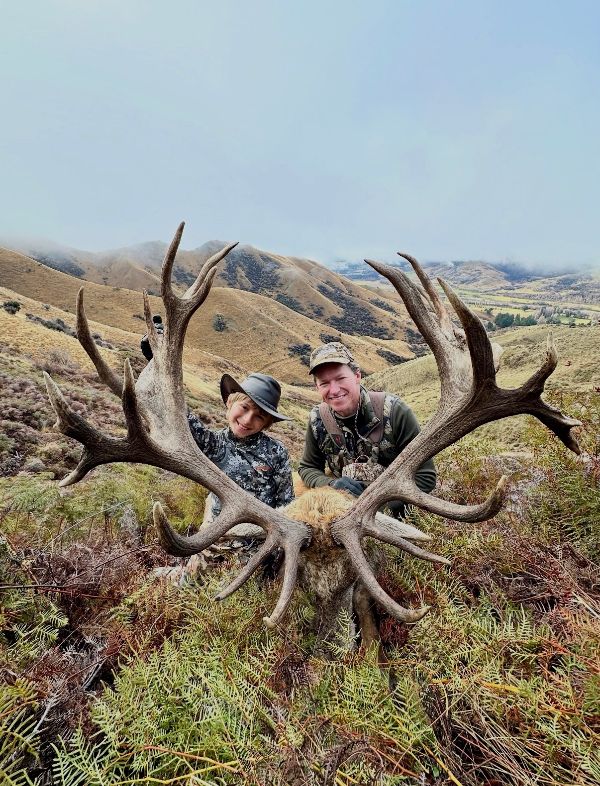
Jeffrey Kimbell’s decision to turn a sweepstakes win into a multi-generational adventure in New Zealand quietly underscores a truth the firearms community has long understood: when hunters steward land and wildlife, the right to keep and bear arms becomes the practical tool that makes conservation profitable rather than theoretical. By choosing Venator Safaris and structuring the trip around a “full bag” harvest of fallow deer, Arapawa rams, red stag, and tarmac-hardy tahr, Kimbell demonstrated how regulated, pay-to-play hunting models convert private land into perpetually productive habitat—exactly the economic engine that funds New Zealand’s predator-control programs and keeps millions of acres open to public access. The family’s blend of jet-boating, skiing, and waterfowling further illustrates that firearms culture is not a single-season hobby but a lifestyle that transmits outdoor competence across generations, inoculating kids against the urban narrative that guns are only instruments of harm.
For the 2A community, stories like this serve as living rebuttals to the claim that “no one needs” a modern sporting rifle or a scoped bolt gun; without those tools, the selective harvest that keeps ungulate populations in balance with fragile alpine ecosystems would be impossible at scale. More importantly, the visible joy of three children participating in every stage—from glassing tahr on sheer faces to caping out a red stag—creates the anecdotal evidence that anti-hunting activists cannot easily dismiss. When families return home with freezers full of organic protein and photo albums that outlast any social-media outrage cycle, they become grassroots ambassadors who normalize lawful firearm ownership as both conservation practice and cultural inheritance. In an era when urban majorities increasingly set wildlife policy, these exported American hunting dollars and the stories they generate remain one of the most effective, non-legislative ways to keep the Second Amendment tethered to its original public-safety and natural-resource purpose.


