

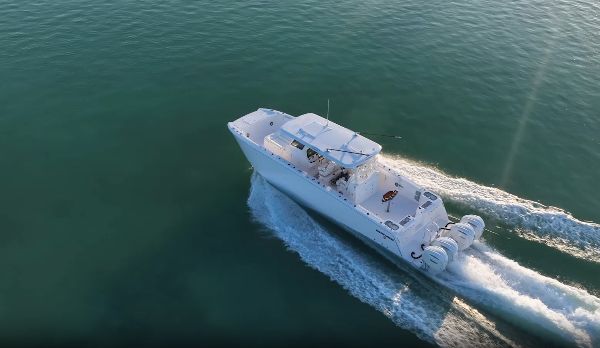
When a lone boater finds himself adrift without backup, the story isn’t just about a mechanical failure or a sudden storm—it’s a stark reminder that self-reliance is only as strong as the tools and mindset you bring to the moment. In the firearms world we talk constantly about layered defense, and the same principle applies on the water: a single point of failure, whether it’s an outboard that quits or the absence of a sidearm when an unexpected threat appears dockside or on a remote shoreline, can turn an ordinary outing into a survival situation. The 2A community has long understood that “solo” doesn’t have to mean “helpless,” provided the individual has both the legal means and the training to project force if deterrence fails.
That lesson carries straight into the policy fights playing out in coastal and Great Lakes states where anti-gun lawmakers treat every waterway as a potential gun-free zone. Time and again we see proposals to restrict carry on boats under the guise of “public safety,” ignoring that the same isolation that makes a vessel vulnerable also makes rapid police response impossible. Responsible boaters who keep a quality defensive firearm aboard—secured, accessible, and paired with the judgment to know when words or a flare gun are enough—are exercising the same fundamental right the Founders recognized when they protected “the people” rather than “the militia while ashore.” The data from states that respect shall-issue permitting shows no spike in negligent discharges on the water; instead, the handful of documented defensive uses tend to involve exactly the scenario the headline warns about: one person, no backup, and seconds to decide.
Ultimately the piece isn’t about scaring anyone off the water; it’s about rejecting the premise that being alone must equal being defenseless. Whether the threat is a mechanical breakdown miles from the marina or something more deliberate, the 2A community’s answer remains consistent: train, equip legally, and refuse to outsource your safety to geography or the hope that help arrives in time. That mindset turns “solo” from a liability into a calculated risk—one that law-abiding citizens have every right to manage with the tools the Constitution preserves.


