

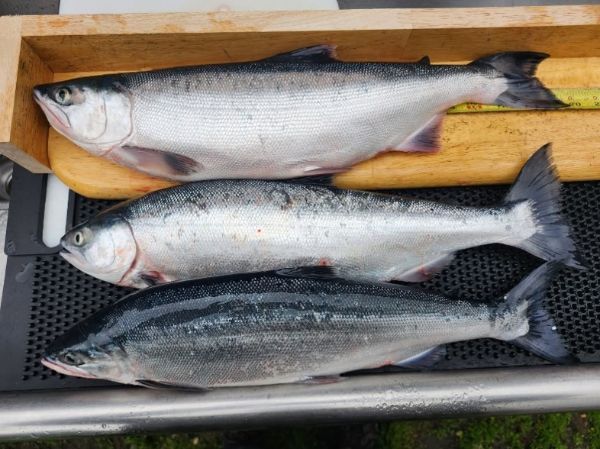
Payette Lake’s kokanee story is a textbook case of what happens when managers stop treating fish like an endless public resource and start managing them like a renewable one that can be lost. After years of lake-trout predation and inconsistent stocking, the population cratered; the recovery since 2018 shows that deliberate intervention—suppressing the invasive predator while ramping up hatchery plants—can rebuild a sport fishery that had essentially vanished. The current picture, fewer but noticeably bigger kokanee, tells us the lake is moving from rescue mode toward a more balanced predator-prey dynamic, and the real test now is whether natural reproduction can shoulder more of the load so stocking doesn’t become a permanent subsidy.
For the 2A community the parallel is obvious: just as overzealous regulation or unchecked predation can wipe out a fish stock, the same forces can erode the right to keep and bear arms if citizens treat it as self-sustaining without active defense. Idaho’s willingness to use targeted suppression rather than blanket restrictions mirrors the difference between surgical, evidence-based policy and reflexive prohibition; both require constant vigilance and data, not slogans. The fact that anglers are already being asked to weigh in on future stocking rates is a reminder that access to these resources—and the firearms that let us enjoy them responsibly—depends on an engaged public that refuses to let either fishery or freedom atrophy from neglect.


