

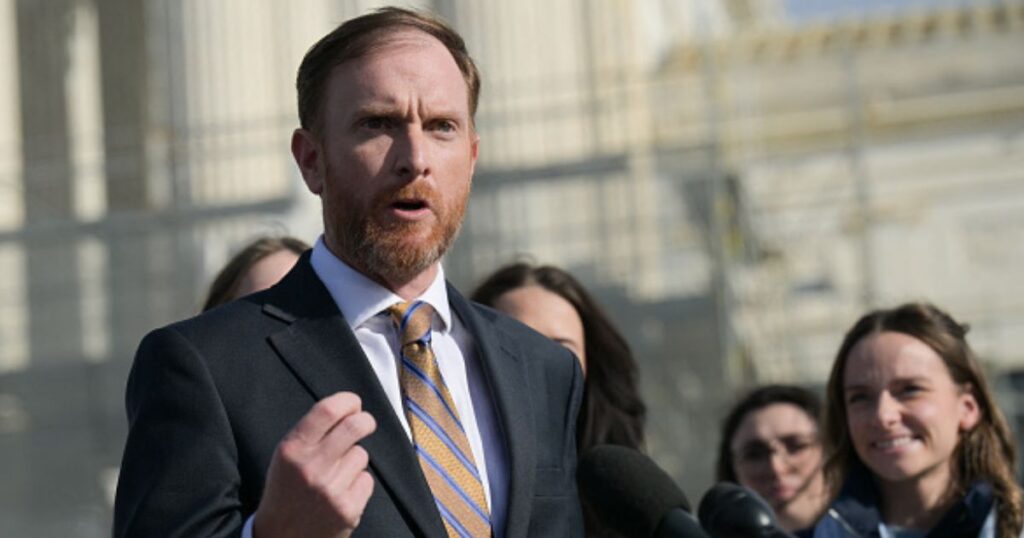
West Virginia’s Attorney General JB McCuskey just proved that sunlight is still the best disinfectant in the fight for Second Amendment rights. When Kent Cartridge, a small ammunition maker in Kearneysville, was told by BILL and Ramp that “compliance and underwriting restrictions” barred them from basic payment-processing services, McCuskey opened an investigation. Within days, the same companies that had hidden behind vague partner policies suddenly reversed course, assuring the AG they harbor “no bias” against the firearms industry. That rapid about-face is more than good PR; it’s a textbook example of how state-level pushback can force national financial institutions to abandon their quiet campaign of de-banking lawful gun businesses.
The episode also highlights a deeper strategic shift. For years, anti-gun activists have tried to choke off the industry through the back door of ESG scoring and risk committees rather than through open debate in Congress. By treating ammunition makers the same way they treat fentanyl traffickers, payment processors hoped to avoid headlines while still starving small manufacturers of capital. McCuskey’s probe ripped away that plausible-deniability shield. Now every CFO from New York to San Francisco has to weigh the cost of a state subpoena against the fleeting approval of progressive stakeholders—an equation that increasingly favors access over exclusion.
For the 2A community, the takeaway is clear: enforcement matters as much as legislation. While federal protections like the Fair Access to Banking Act remain stalled, state AGs armed with consumer-protection statutes can replicate West Virginia’s success in real time. Each victory not only restores services to one company; it resets the risk calculation for the entire payments industry, proving that viewpoint discrimination against gun owners carries an actual, measurable price.


