

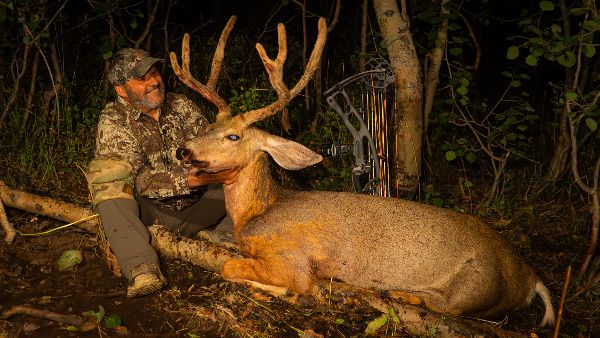
Ralph and Vicki Cianciarulo’s decision to film a management mule-deer hunt in Utah’s Round Valley isn’t just another episode of The Choice; it’s a master class in how regulated harvest keeps both herds and hunting rights healthy. By targeting velvet-antlered “management” bucks—animals whose genetics or age structure threaten long-term herd quality—the Cianciarulos illustrate the principle that hunters are the original, and still the most effective, wildlife managers. Their July 27 episode on Pursuit Channel will show viewers that these carefully drawn tags aren’t loopholes; they’re data-driven tools that state biologists use to balance sex ratios, reduce over-browsing, and fund conservation through license revenue. In an era when anti-hunting activists push “natural regulation” narratives, footage of two well-known outdoorspeople executing a plan written by Utah wildlife managers undercuts the myth that hunting is mere recreation—it’s applied ecology with a rifle—or in this case, a bow.
For the 2A community, the deeper takeaway is that access to these science-based tags is inseparable from the right to keep and bear the arms needed to fill them. Every mule-deer tag sold in Utah carries a surcharge that supports habitat projects, law-enforcement, and hunter-education programs; remove either the hunter or the firearm and the funding stream collapses. Moreover, the Cianciarulos’ choice to hunt public-land units with archery tackle demonstrates that the same constitutional right covers both the cartridge and the broadhead. When anti-hunting lawsuits attempt to shrink hunting seasons or ban certain weapons, they’re not just trimming calendars—they’re starving the very conservation engine that keeps mule-deer herds huntable in the first place. By spotlighting a management hunt, The Choice reminds viewers that the Second Amendment isn’t only about self-defense; it’s also the legal backbone of North America’s user-pay, science-driven model of wildlife conservation.


