

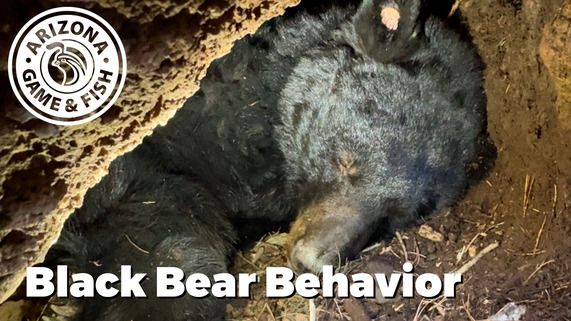
Arizona Game and Fish biologists crawling into a black-bear den near Flagstaff isn’t just another wildlife video—it’s a master class in how state agencies quietly gather the data that later becomes harvest quotas, season lengths, and even the justification for closing public land to hunters. Samuel Lisak’s team is radio-collaring bears through 2030, which means the same GPS points that show den locations today will eventually be used to argue for “no-hunting buffers” or to claim that bear numbers are “stable” or “declining,” depending on the political winds in Phoenix. For Second Amendment supporters, the takeaway is simple: if you’re not paying attention to how these studies are designed and messaged, you’re ceding the narrative that decides whether your tag draw stays in the 20-percent range or gets slashed to single digits.
The footage also underscores a deeper truth about wildlife management in the West: the people holding the clipboard often have more influence over your hunt than the legislature. When a collared sow emerges in April with two cubs, that data point feeds a population model that may or may not account for the fact that hunters already self-regulate through draw odds and point systems. If the model overestimates mortality or underestimates recruitment, the next regulatory bulletin can shrink opportunity overnight. Pro-2A sportsmen have every reason to demand raw data sets, transparent modeling assumptions, and a seat at the table when those models are peer-reviewed—otherwise the only “harvest” that gets adjusted is the one with a hunter’s tag attached.
Finally, the study’s decade-long timeline is a reminder that bear management, like so many other wildlife decisions, is a long game. Hunters who stay engaged—submitting comments, attending commission meetings, and supporting organizations that sue for data transparency—keep the agencies honest. When the next Flagstaff den video drops in 2028, the question shouldn’t be whether the bears are cute; it should be whether the men and women who fund the resource through license dollars still have a meaningful say in how it’s allocated.


