

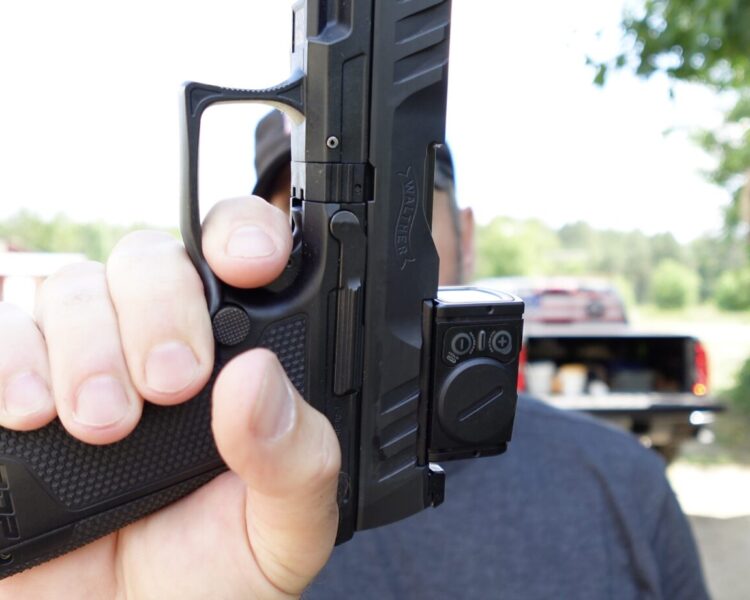
The old-school mantra of placing the trigger pad dead-center on the finger has been drilled into shooters for generations, yet Rick Hogg’s advice to treat that rule as a starting point rather than gospel flips the script in a way that resonates far beyond the range. By urging students to collect their own performance data—groups on paper, splits on timers, hits under stress—he’s essentially telling every shooter to become their own research lab. That shift from rigid doctrine to empirical tinkering mirrors the broader 2A argument that lawful gun owners are responsible adults capable of informed, self-directed decisions rather than subjects who must await permission or prescription from on high.
What looks like a minor technical tweak actually underscores a larger cultural point: the right to keep and bear arms is exercised most effectively when paired with the freedom to refine technique without bureaucratic gatekeepers. When a veteran instructor like Hogg validates experimentation, he pushes back against the narrative that civilians are too dangerous or too uninformed to handle modern firearms responsibly. Instead, the data-driven approach he advocates produces shooters who are measurably safer and more accurate—evidence that can be brandished every time new restrictions are proposed under the guise of “expertise.”
For the 2A community, the takeaway is straightforward: defend not only the hardware but also the intellectual liberty to master it. Whether you end up with the classic pad placement or a slightly distal index-finger contact that shaves milliseconds off your draw, the principle remains the same—own your training the way you own your rights, and let results, not regulations, be the final arbiter.


