

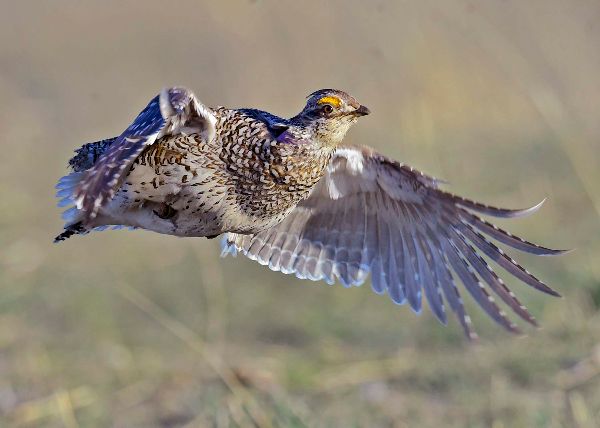
Utah’s decision to open permit applications for sandhill cranes, tundra swans, sharp-tailed grouse, and greater sage-grouse on June 30 is more than a routine wildlife-management notice—it’s a reminder that the Second Amendment’s protections extend to the tools and traditions that keep wild places wild. By giving hunters just two weeks to apply through the state’s new draw system, Utah is forcing sportsmen to stay engaged year-round, not merely during the season, which strengthens the political constituency that defends both hunting access and the right to keep and bear arms. Only nine states still allow tundra swan hunting, so every Utah permit that gets filled is another data point showing sustainable harvest under regulated, armed recreation—an argument that resonates far beyond the marsh when anti-hunting groups try to paint all firearm use as illegitimate.
The timing also highlights how tightly wildlife policy is now braided with broader self-defense rights. Sage-grouse and sharp-tailed grouse seasons are managed with the same rifles, shotguns, and optics that millions of Americans rely on for personal protection; when those firearms are demonized in statehouses or courtrooms, the ripple effects reach the very species these hunters are helping to steward through license fees and habitat work. By keeping the application window short and the draw competitive, Utah is quietly training a new generation of advocates who understand that an attack on magazine capacity or semi-automatic actions is also an attack on the practical ability to participate in these time-honored hunts. In short, the June 30 start date isn’t just about filling a tag—it’s about keeping the infrastructure of armed conservation intact for the next generation.


