

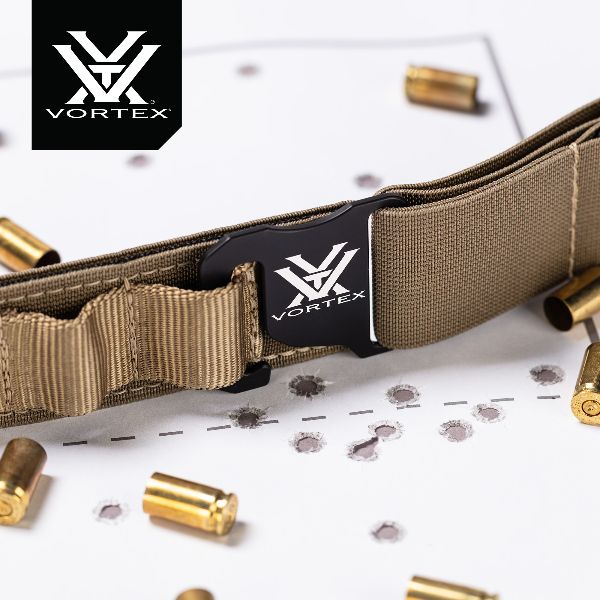
Vortex’s decision to partner with Hunter Constantine on a limited-edition carry belt isn’t just another merch drop—it’s a calculated move that fuses proven EDC engineering with the credibility of one of the concealed-carry community’s most respected voices. Constantine’s original belt already solved the real-world problem of sagging under the weight of full-size pistols and spare magazines; Vortex’s version keeps that rigid-yet-comfortable core while layering on brand visibility that quietly signals support for the Second Amendment every time the wearer steps out. By earmarking proceeds for a $10,000 donation, the collaboration turns a daily-wear item into a micro-fundraiser that lets rank-and-file gun owners vote with their wallets instead of waiting for distant nonprofits to set the agenda.
What makes the release noteworthy is how it reframes the optics of “tactical” gear. Rather than leaning on military aesthetics that can alienate mainstream carriers, the Vortex x Hunter Constantine belt stays low-profile enough for office or range use, proving that 2A culture can scale beyond niche forums and into everyday wardrobes. That accessibility matters at a moment when state-level permitting reforms and court challenges are expanding who carries; new carriers need gear that doesn’t advertise itself as a political statement yet still funds the ecosystem defending their rights. In short, Vortex isn’t selling a belt—it’s selling participation in a supply chain that keeps both holsters and courtrooms funded.
The longer-term implication is a slow shift in how industry dollars reach 2A causes. Instead of one-off checks cut after controversies, companies are embedding giving into product cycles, creating recurring revenue streams that activists can count on. If other optics and accessory makers follow suit, the community gains a diversified funding model less vulnerable to donor fatigue or regulatory scrutiny on traditional nonprofits. For carriers, that means the next time you tighten a belt before leaving the house, you’re also reinforcing the legal and cultural infrastructure that keeps carry rights intact.


