

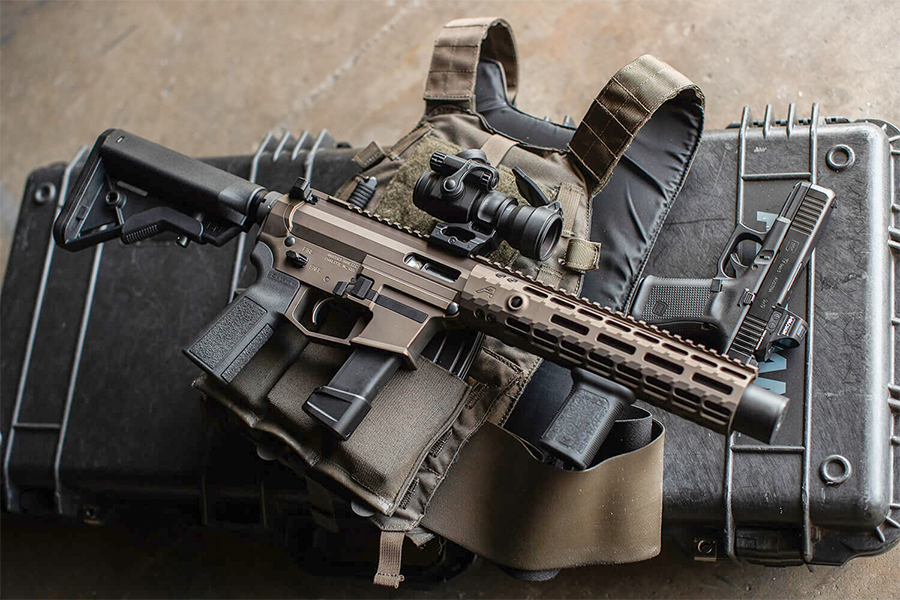
The Texas ruling lands like a legal depth charge under the National Firearms Act’s century-old foundation. Once the $200 excise tax—the only hook the government ever had for forcing registration—was judicially severed, the remaining registration requirement floated free of any enumerated power. That’s not a policy quibble; it’s a structural problem. Congress may tax or it may regulate commerce, but it cannot simply compile a national registry of arms simply because it feels like it, and a district court willing to say so out loud is a rarity worth noting.
For the 2A community the decision is both vindication and a flashing yellow light. It proves that challenges framed around the actual constitutional hooks—rather than abstract “public safety” mantras—can still puncture the administrative state’s gun-control architecture. At the same time, the case sits in a single district; DOJ will almost certainly appeal, and the Fifth Circuit or the Supreme Court could restore the registration regime on procedural or severability grounds. The prudent move is to treat the opinion as persuasive authority that weakens the NFA’s moral and legal footing, not as an immediate hall-pass to start milling short-barreled rifles in the garage.
Strategically, the ruling also shifts the Overton window. Lawmakers who once defended the NFA as a “taxing measure” must now either admit it is a regulatory scheme untethered to any enumerated power or watch their enforcement tools erode case by case. That reframing alone is worth the filing fee. Expect renewed litigation aimed at silencers, braced pistols, and eventually the Hughes Amendment’s machine-gun freeze; each challenge can now cite Texas’s logic that a vanished tax takes the registration mandate down with it. The opinion may not yet be nationwide law, but it is a precedent-grade wedge, and wedges have a way of widening.


