

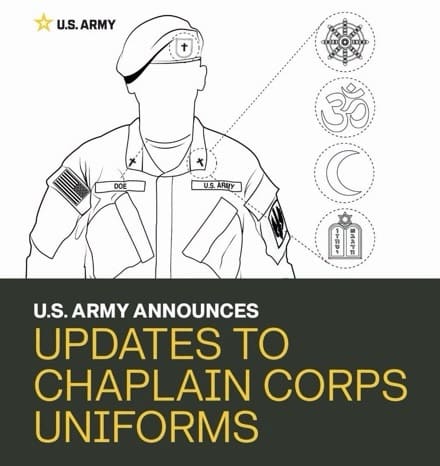
The Army’s decision to strip rank insignia from chaplains’ collars and replace it with the branch’s cross or tablets is more than a uniform tweak; it is a deliberate re-centering of identity around faith rather than hierarchy. By elevating the religious symbol above the lieutenant-colonel oak leaves, the service is telegraphing that spiritual authority and moral counsel sit outside the normal chain of command—an important signal in an institution where chaplains already enjoy unique confidentiality protections and non-combatant status. For the 2A community, the move is a quiet affirmation that the military still recognizes a sphere of conscience that government rank cannot fully subsume, a principle that parallels the broader argument that individual rights, including the right to keep and bear arms, exist independently of state-granted status.
The timing is equally telling. As the force continues to wrestle with recruitment shortfalls and retention among service members who cite religious liberty concerns, visibly restoring chaplains as “chaplain first, officer second” offers a low-cost, high-visibility reassurance that traditional values still have institutional space. That reassurance matters to the millions of veterans and serving personnel who view the Second Amendment not merely as a policy preference but as an extension of the same natural-rights framework chaplains are now being asked to embody on their uniforms. In short, the collar change is a small but unmistakable reminder that the military’s legitimacy ultimately rests on acknowledging limits to its own authority—limits that the 2A community has long insisted apply equally to the right to arms.


