

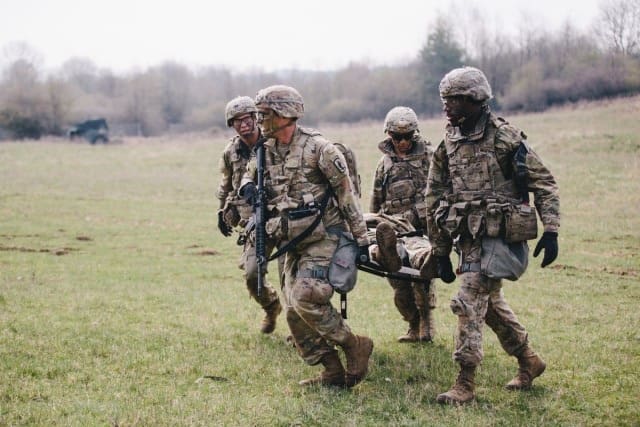
The Army’s decision to hand six vendors the keys to the Infantry Last Tactical Mile program is more than a procurement footnote—it’s a signal that the service is finally treating the last hundred meters of resupply as a contested battlespace rather than a logistics afterthought. By fielding production-ready autonomous systems that can sprint forward with ammo, water, and medical kits while rifle squads are still trading fire, the Army is acknowledging that the rifleman’s load has become a tactical liability. For Second Amendment advocates, the takeaway is straightforward: the same technologies that lighten a soldier’s ruck today will trickle into civilian hands tomorrow, whether through surplus channels, dual-use components, or the inevitable civilian spin-offs that always follow military robotics programs.
What makes the announcement especially interesting is the emphasis on “rapidly deployable logistical support” that keeps pace with dismounted formations. That language implies small, man-portable or squad-sized unmanned ground vehicles rather than the lumbering autonomous trucks that have dominated headlines so far. If these platforms mature into reliable, field-repairable systems, the civilian market will see everything from last-mile delivery bots to remote game-hauling carts—tools that, in the right regulatory climate, could also serve as mobile caches for lawful self-defense or back-country logistics. The 2A community should watch the intellectual-property trail; whoever wins these contracts will own the lightweight chassis, power-train, and secure comms architecture that tomorrow’s civilian variants will be built upon.
Equally important is the political subtext. Every time the military invests in autonomous resupply, it tacitly concedes that individual warfighters need scalable, on-demand firepower without being weighed down by it. That same logic applies to law-abiding citizens who carry the responsibility for their own protection: lighter logistical burdens translate directly into greater freedom of movement and sustained readiness. As these prototypes move from Detroit Arsenal to the dirt, the firearms community would do well to track not only the hardware but also the policy debates over export controls, domestic encryption standards, and right-to-repair provisions—because the next generation of civilian autonomy will be shaped by decisions being made right now under the banner of “infantry last tactical mile.”


