

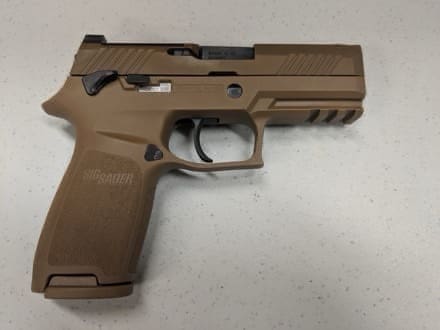
The Texas Tactical Police Officers Association has completed a comprehensive review and voted to lift its prior restriction on the use of the SIG Sauer P320/M17/M18 platform in TTPOA-sponsored training and events. After years of documented issues ranging from unintended discharges to serious concerns about drop safety and mechanical reliability, the organization’s decision signals a measured return to confidence in the updated P320 ecosystem. For an association that puts its members through some of the most demanding force-on-force and live-fire scenarios in the country, this reversal isn’t casual; it reflects real-world testing, updated Gen2 and Gen3 pistols, and presumably a mountain of data showing that SIG has finally addressed the core mechanical shortcomings that once made the pistol a liability in high-stress environments.
This development carries weight well beyond Texas tactical circles. The P320’s journey from “civilian carry gun of the year” to military adoption, followed by a well-publicized wave of lawsuits, voluntary upgrades, and lingering distrust, became a cautionary tale across the 2A community about rushing to embrace modular striker-fired designs without exhaustive vetting. Law enforcement agencies and private citizens alike watched closely as departments either stuck with the pistol through the voluntary upgrade program or quietly replaced them with Glocks, Staccatos, or HKs. TTPOA’s earlier ban carried symbolic power; when one of the most respected tactical training bodies in the nation says a gun is too risky for its courses, the message reverberates through patrol officers, competitive shooters, and armed citizens who train seriously. Lifting that ban now suggests the platform has matured enough to rejoin the conversation, provided shooters are using the updated models with the correct trigger group and following SIG’s latest guidance.
For the broader Second Amendment community, the story underscores both the strength and the scrutiny inherent in the American firearms market. Manufacturers can and do iterate under pressure from both end users and the courtroom. Yet the episode also reminds gun owners that institutional trust is hard-won and easily lost. Whether you love the P320’s modularity and shootability or still view it with healthy skepticism, TTPOA’s vote is a data point worth noting. It doesn’t erase past failures, but it does indicate that rigorous after-the-fact engineering and transparent performance testing can restore a fighting pistol’s reputation among the very professionals who bet their lives on their equipment. In an era where agencies and citizens alike demand both innovation and proven reliability, this quiet policy shift may mark the beginning of the P320’s redemption arc rather than its final chapter.


