

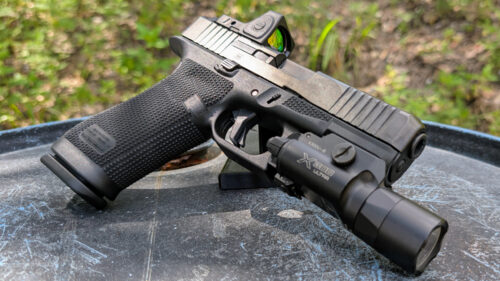
The Trump Justice Department’s warning to Gavin Newsom and Rob Bonta is more than a legal shot across the bow—it’s a direct challenge to the idea that states can simply outlaw the most popular handgun platform in America. By threatening a federal civil-rights suit, DOJ is signaling that California’s attempt to ban Glocks isn’t just bad policy; it may violate the Second Amendment rights of millions of law-abiding citizens who rely on these firearms for self-defense. The move flips the usual script: instead of waiting for gun owners to sue after the fact, the federal government is stepping in first to protect the right to keep and bear arms before the ban takes full effect.
For the 2A community, this development carries both immediate relief and long-term strategic weight. California’s ban was crafted to exploit post-Bruen confusion by claiming “sensitive places” or “sensitive features” loopholes, but the DOJ’s intervention suggests the administration views such maneuvers as unconstitutional overreach rather than clever drafting. If the lawsuit proceeds, it could produce precedent that limits how far states can go in redefining what counts as an “arm” protected by the Constitution—especially when the targeted firearm is in common use nationwide. Gun owners watching other blue states eye similar restrictions now have a powerful new precedent to cite.
Beyond the courtroom, the warning underscores a broader shift: the federal government is no longer content to sit on the sidelines while states chip away at constitutional rights. For California gun owners who have spent years navigating magazine bans, feature bans, and roster restrictions, this feels like a rare moment of federal muscle being used in their defense. Whether the threat produces a quick retreat from Sacramento or a drawn-out legal battle, the message is clear—Washington is watching, and the Second Amendment is no longer a state-by-state negotiation.


