

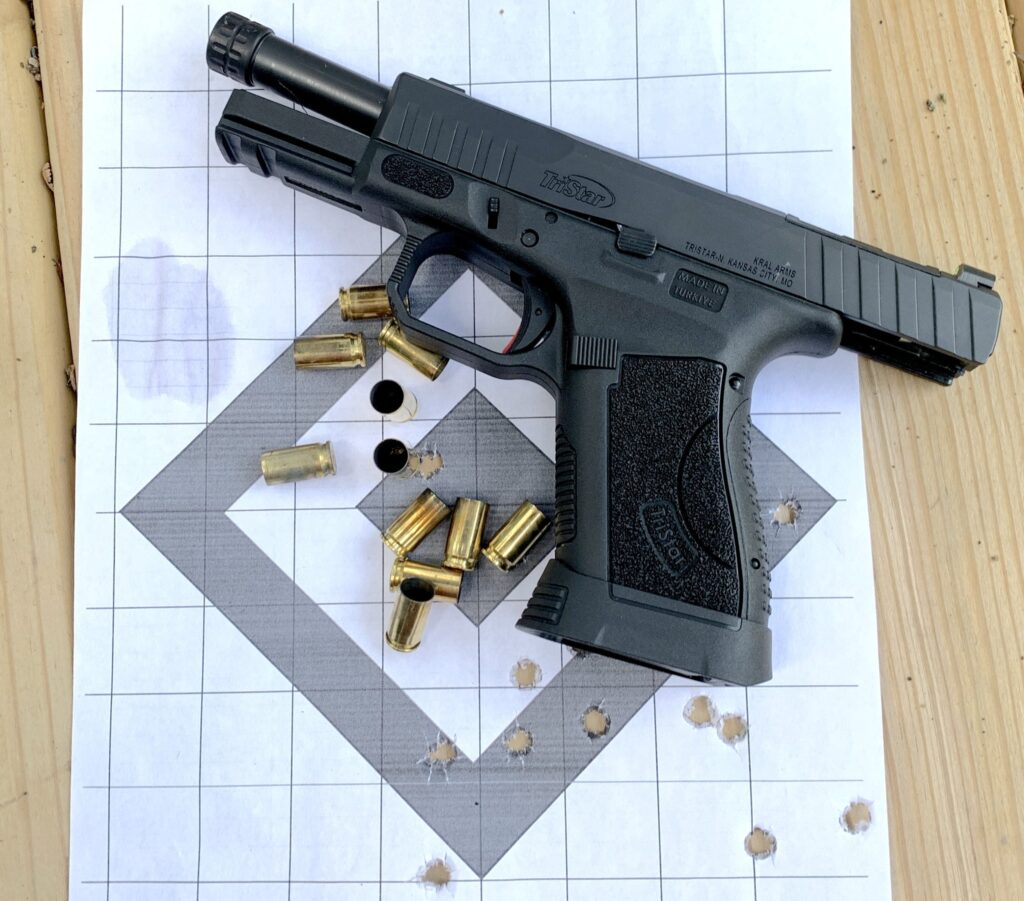
The TriStar APOC PRO lands in that sweet spot where budget-conscious shooters start asking whether a $300 pistol can actually replace a Glock 19 without turning range days into expensive lessons. By cloning the Gen 3 platform and then slipping in extras like an optics-ready slide and upgraded sights, TriStar is betting that most owners value function over pedigree. The real test isn’t whether the gun feels like a Glock out of the box; it’s whether the lower price tag buys acceptable reliability once a few hundred rounds have gone downrange and the “it’s just a range toy” excuse stops being an option.
For the 2A community, the APOC PRO is another data point in the long-running debate over import-driven value versus domestic legacy pricing. If the pistol holds up under defensive courses, holster wear, and the inevitable student-to-instructor hand-me-down cycle, it quietly expands the number of households that can afford both a carry gun and enough ammo to stay proficient. That matters more than brand loyalty when the next magazine ban or ammunition tax surfaces. Conversely, if early buyers discover feeding problems or holster incompatibility, the model becomes another reminder that cutting corners on small parts can cost far more than the original discount.
Ultimately, the gun’s success will be measured less by glowing first-impression reviews and more by how many examples survive three years of concealed carry, training classes, and night-stand duty without drama. If the APOC PRO clears that bar, it strengthens the argument that market competition—not import restrictions—keeps quality high and prices honest. If it doesn’t, the lesson will be the same one the community has learned before: the Second Amendment protects the right to keep and bear arms, but it doesn’t guarantee that every budget option is worth carrying.


