

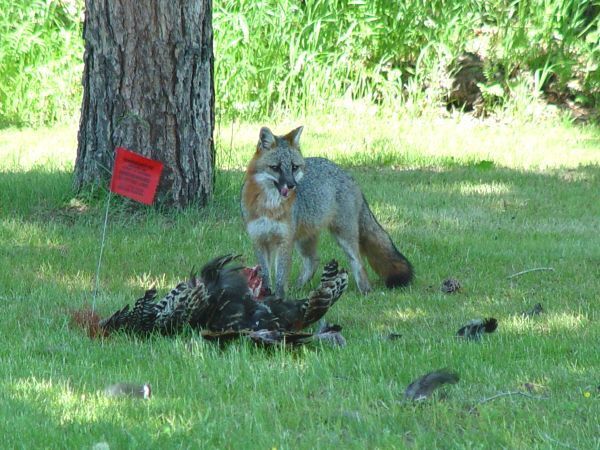
Trappers across Michigan are being asked to keep their eyes peeled for gray foxes, and the request carries more weight than a simple wildlife survey. The DNR’s partnership with Northern Michigan University and multiple tribal nations signals that the species may be far less common than older range maps suggest, making every trail-camera photo and pelt record a data point that could reshape management decisions. For the 2A community this matters because trappers operate under the same constitutional umbrella that protects the right to keep and bear arms; their field observations and harvest reports are the raw material that keeps wildlife agencies honest and prevents the kind of “precautionary” restrictions that often follow when data is thin or absent.
When private citizens supply the boots-on-the-ground intel that government biologists lack, it undercuts the narrative that only credentialed experts should decide who may hunt or trap and where. Accurate distribution data can justify continued seasons rather than sudden closures, and it demonstrates that regulated, self-reliant users are net contributors to conservation rather than threats to it. In an era when anti-hunting litigation frequently cites “declining populations” without granular evidence, the gray-fox project shows how trapper participation directly strengthens the legal and political case for sustained access to the woods.
The larger implication is that every time a trapper logs a sighting or shares coordinates, they are exercising both their Second Amendment rights and their role as citizen-scientists. That dual function keeps wildlife policy tethered to reality instead of ideology, and it reminds regulators that the people closest to the resource are also its most reliable stewards.


