

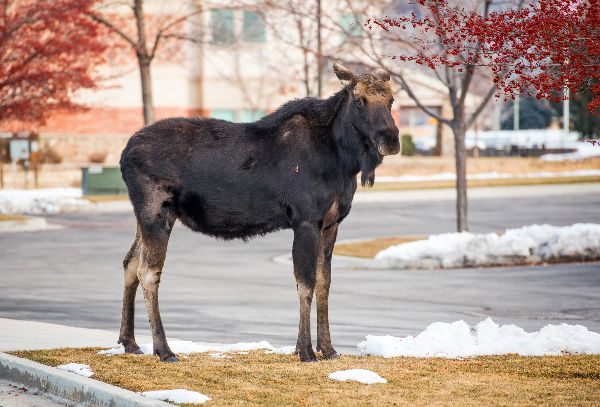
When drought drives mule deer and other big game into suburban yards in search of moisture and forage, the same eight-foot fences and motion sprinklers that protect tomatoes also create a natural barrier between wildlife and the people who live among them. In Utah, where the Division of Wildlife Resources has long tracked how artificial feeding concentrates animals and accelerates both disease and habituation, the message is clear: well-fed deer lose their wariness, linger near homes, and occasionally turn aggressive when the spigot of handouts shuts off. For Second Amendment supporters, that pattern is a reminder that personal security begins with understanding animal behavior and maintaining the physical and legal tools to respond when an eight-hundred-pound buck decides your back porch is now its territory.
The practical takeaway is that property-level deterrence—tall fencing, unpalatable plantings, and sudden bursts of water—works precisely because it respects the animal’s natural flight response instead of conditioning it to associate humans with food. That same principle scales to human threats: layered, non-lethal measures first, followed by the readiness to employ lethal force if deterrence fails. In drought years the pressure on suburban deer increases, so the prudent gun owner keeps both the garden secured and the carry piece accessible, recognizing that an animal conditioned to ignore fences is also more likely to ignore the invisible line between “nuisance” and “danger.” By treating drought-driven wildlife incursions as predictable range expansion rather than random misfortune, 2A advocates reinforce the broader case that responsible ownership includes anticipating environmental stressors and preparing accordingly.


