

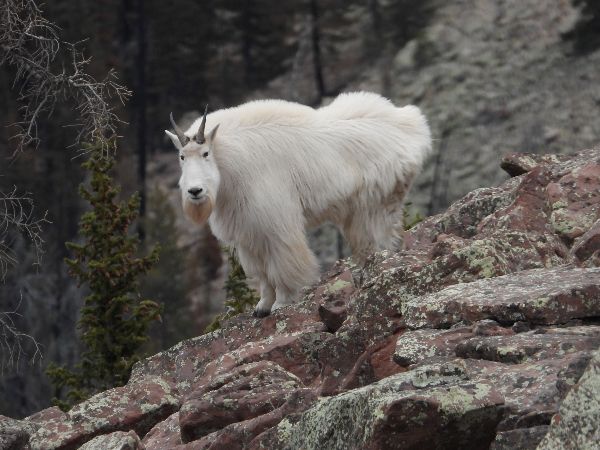
When hikers venture into Utah’s high country, the same instincts that keep them safe around aggressive mountain goats—maintaining distance, staying calm, and controlling their dogs—mirror the mindset responsible gun owners bring to every backcountry trip. Rusty Robinson’s guidance isn’t just wildlife etiquette; it’s a reminder that nature doesn’t negotiate, and neither should you when an animal decides you’re a threat. The 150-foot buffer he recommends is the same principle behind situational awareness on the trail: give yourself time and space to react before a situation escalates, whether the danger has hooves or teeth.
For the 2A community, these encounters underscore why carry rights matter in remote terrain where cell service is nonexistent and help can be hours away. A well-trained shooter with a sidearm or compact rifle isn’t looking for trouble with wildlife; they’re prepared for the rare moment when avoidance fails and a goat—or worse—closes the gap. Leashing dogs isn’t just about protecting the animal; it’s about keeping your hands free and your focus sharp, the same discipline required when you carry in bear country or cougar habitat. Robinson’s advice to back away slowly translates directly to defensive mindset: de-escalate when possible, but never surrender your ability to protect yourself if retreat isn’t an option.
The broader implication is that public lands access and self-defense rights are inseparable. As more states expand constitutional carry and more hikers head into once-in-a-lifetime species zones, the conversation shifts from “if” you might need a firearm to “how prepared” you are when the unexpected happens. Utah’s mountain goats aren’t political, but the lesson they teach is: respect the wild, respect the law, and respect your right to defend your life when both fail you.


