

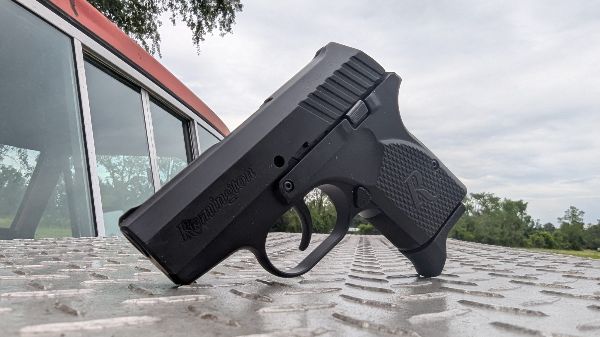
Remington’s brief, awkward flirtation with pocket pistols tells us more about the modern gun industry than any recall notice ever could. When Freedom Group scooped up Rohrbaugh in 2014, they weren’t chasing innovation; they were asset-stripping a niche micro-9 that had already earned a cult following among deep-cover carriers who valued the R9’s 5.2-inch length and true double-action-only trigger. Rebadging it as the RM380 and stuffing it into the same distribution channel that had just cratered the R51 was less product development than financial engineering—an attempt to monetize a reputation the parent company no longer possessed. The result was a pistol that looked like a premium hideout gun but arrived wearing the scarlet letter of Remington’s quality-control collapse, proving that brand equity in the firearms space is both priceless and perishable.
For the 2A community the episode is a cautionary tale about consolidation and absentee ownership. Private-equity roll-ups can gut institutional knowledge faster than any legislation; when the people signing the checks have never milled a slide or fitted a barrel, “continuous improvement” becomes a spreadsheet entry rather than an engineering discipline. The RM380’s quiet disappearance also underscores how unforgiving the concealed-carry market remains: today’s shooter can choose between a half-dozen micro-red-dot-ready 9mms from companies that actually shoot their own guns, none of which carry the baggage of a leveraged buyout. In that sense the little Remington pocket rocket didn’t just vanish from catalogs—it became exhibit A in the argument that Second Amendment commerce must remain decentralized, innovative, and accountable to the end user rather than to distant boardrooms.


