

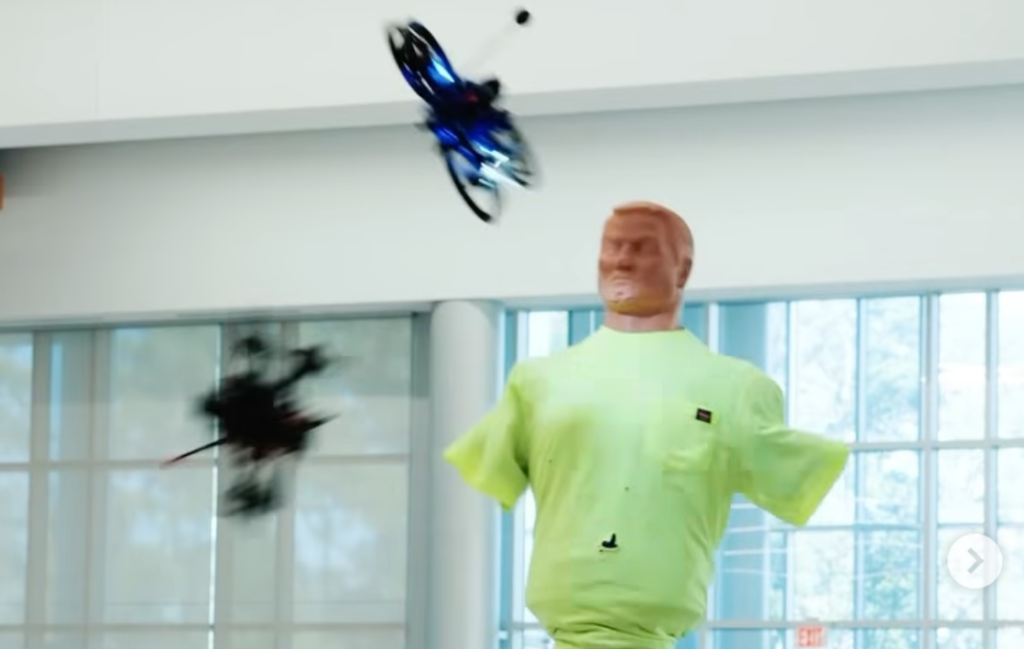
The idea of deploying centrally controlled, non-lethal drones inside schools to intercept active shooters is the latest example of how quickly the conversation shifts from “secure the perimeter” to “add another layer of technology.” Marston’s leap from Ukrainian FPV drones to American classrooms is understandable—cheap, off-the-shelf airframes can be flown through hallways faster than any SRO can sprint—but it also reveals a deeper reluctance to confront the human element of school security. Instead of hardening soft targets with trained, armed staff who can make split-second decisions, the proposal leans on remote operators who may be miles away, staring at grainy video feeds while policy lawyers debate rules of engagement.
For the 2A community, the drone concept is both a cautionary tale and an opportunity. It underscores how eager some policymakers are to treat symptoms with expensive gadgets rather than address the cultural and legal failures that leave schools as undefended “gun-free” zones. At the same time, the same inexpensive drone technology that Marston wants to centralize could be adapted by private schools, churches, and even individual families who refuse to outsource their safety to distant bureaucrats. A small quadcopter with a high-intensity strobe or OC payload, controlled by an on-site staff member, is far more in keeping with the decentralized, rights-based model that has always defined the American tradition of self-defense.
Ultimately, the push for centrally controlled drones is less about stopping bullets than about controlling the narrative: every new “solution” that keeps decision-making far from the point of attack reinforces the notion that ordinary citizens cannot be trusted with immediate, lethal force. The 2A response should be straightforward—pair any defensive technology with the legal recognition that trained, armed adults inside the building remain the fastest and most accountable last line of defense.


