

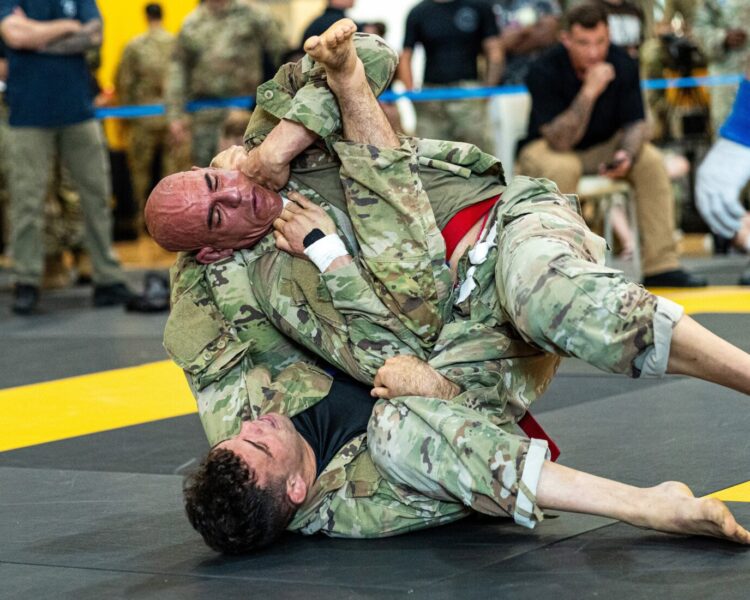
Battlefield needs, cultural traditions, and evolving tactics have shaped today’s close-quarters combat. Here’s a quick history of combatives.
From the blood-soaked dust of ancient battlefields—think Spartan hoplites wrestling foes in the phalanx or Roman legionaries using pankration-style grapples to subdue enemies—combatives have always been the raw, desperate equalizer when blades dulled and shields splintered. These weren’t stylized dojos; they were survival imperatives, blending strikes, throws, and joint locks honed by cultures like the Mongols’ brutal bökh wrestling or Japanese samurai’s jujutsu, which emphasized turning an opponent’s weapon against them. Fast-forward through medieval knightly fechtbücher manuals teaching dagger work in armor, to World War eras where Allied and Axis troops distilled it all into no-nonsense systems like Fairbairn-Sykes’ Get Tough!—proving that when ammo runs dry or malfunctions strike, the human body remains the ultimate sidearm.
This evolution mirrors the 2A ethos: just as firearms democratized lethal force, combatives empower the individual defender against superior numbers or armament. In modern training—think Army Combatives Program or civilian systems like Krav Maga—it’s integrated with firearms proficiency, recognizing that real-world encounters often devolve into clinches where your carry gun becomes a liability without grappling skills. For the 2A community, this isn’t academic trivia; it’s a call to holistic preparedness. Train combatives alongside your trigger time, because implications are stark: in a SHTF scenario or street defense, cultural fair fights vanish, and the fighter who seamlessly transitions from draw-stroke to elbow strike to ground control survives. History whispers that complacency kills—embrace the full spectrum, from ancient dirt to today’s mats, to honor the unyielding warrior tradition that underpins our right to self-preservation.
The implications ripple into policy and culture too. As governments increasingly scrutinize armed self-defense, mastering combatives fortifies your legal and tactical narrative: you’re not a reckless gun-owner, but a responsibly trained guardian. It counters anti-2A myths by showcasing disciplined, multifaceted readiness—echoing how pioneers like Jeff Cooper wove the Modern Technique with empty-hand contingencies. Dive into this history, hit the mats, and elevate your carry from tool to integrated arsenal; the battlefields of tomorrow demand nothing less.


