

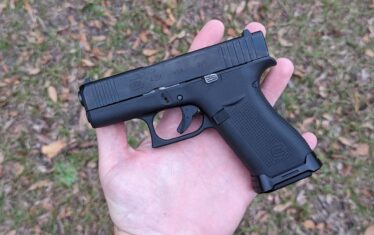
The Glock 43X Slimline has quietly become the bridge between two worlds that used to feel miles apart: the deep-cover micro-compact crowd and the everyday-carry traditionalists who still want a full three-finger grip. By stretching the 43’s single-stack DNA just enough to accept double-stack 10-round magazines while keeping the same 1.1-inch slide width, Glock essentially created a pistol that disappears under a T-shirt yet shoots like something you’d actually want to train with. That “Goldilocks” balance is why instructors who once defaulted to recommending a 26 or 19 are now handing students a 43X and watching groups tighten at speed.
For the 2A community, the 43X’s rise is more than a product win—it’s a market signal. Concealed-carry permit numbers keep climbing, and the fastest-growing demographic isn’t the old-guard range rat; it’s working parents, off-duty professionals, and first-time buyers who prioritize all-day comfort over extra capacity. The 43X proves that manufacturers can answer that demand without forcing a compromise on shootability or aftermarket support. Slimline rails, MOS optics cuts, and an expanding holster ecosystem mean the platform scales from appendix AIWB to range toy without ever leaving the “I can actually carry this every day” category.
The larger implication is cultural. When a major legacy brand like Glock validates the crossover concept, smaller makers accelerate their own slim-frame projects, and the entire conversation around “what’s practical to carry” shifts. That, in turn, feeds training demand, legal-accessory innovation, and—most importantly—more citizens who feel confident enough to exercise their right to bear arms responsibly. The 43X didn’t just fill a size gap; it widened the door.


