

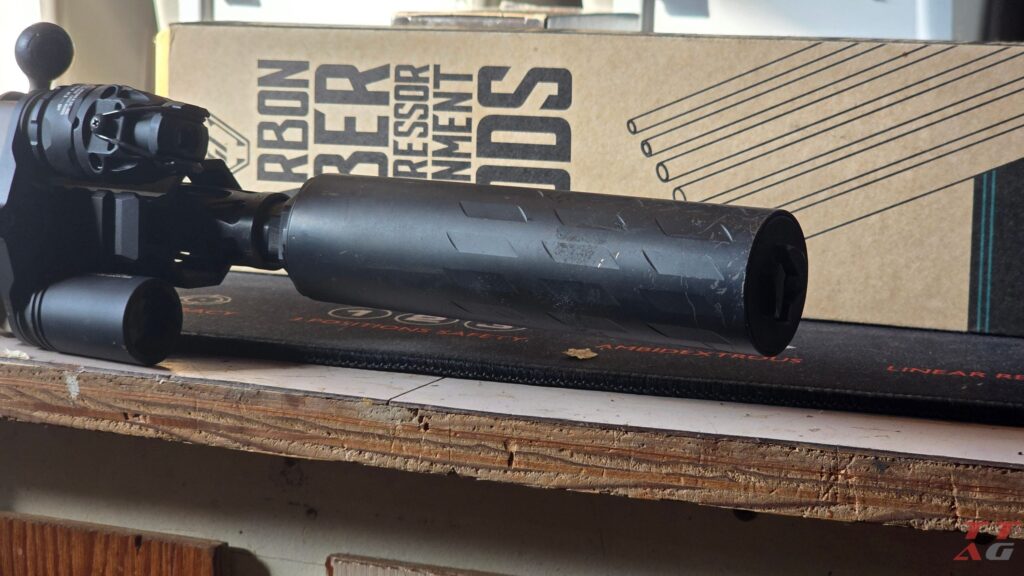
A baffle strike is the kind of range-day disaster that turns a $1,200 suppressor into an expensive paperweight and leaves shooters wondering how a single misalignment can cost them both money and peace of mind. The Truth About Guns piece rightly zeroes in on the usual suspects—cross-threaded mounts, worn muzzle devices, and the subtle torque shift that happens after a few hundred rounds—but the deeper story is how little margin for error exists once you move past basic iron sights and into the precision world of modern suppressors. What looks like a minor concentricity problem on paper becomes an expensive lesson in metallurgy when a .30-caliber bullet clips titanium at 2,800 fps.
For the 2A community, baffle strikes are more than an equipment headache; they’re a reminder that the regulatory maze surrounding suppressors already prices many shooters out of the market, and a single mistake can double that cost overnight. When the ATF treats a suppressor as a Title II weapon, even a warranty repair can trigger new paperwork, tax stamps, and weeks of downtime, turning what should be routine maintenance into another layer of friction between citizens and their constitutional rights. That friction is precisely why knowledgeable builders, armorers, and reviewers have become essential nodes in the ecosystem—sharing torque specs, recommending oversized bore mounts, and normalizing the habit of checking alignment with every new host firearm.
Ultimately, the piece underscores a cultural shift: suppressors are no longer exotic accessories for the few; they’re mainstream safety tools whose reliability directly affects training time, hearing protection, and the next generation of shooters brought into the fold. When a baffle strike sidelines a rifle, it sidelines the owner’s ability to practice efficiently and quietly, undercutting the very arguments that have driven recent state-level reforms. Keeping alignment tools in every range bag and insisting on quality muzzle-device interfaces isn’t just good gunsmithing—it’s quiet advocacy, one concentric mount at a time.


