

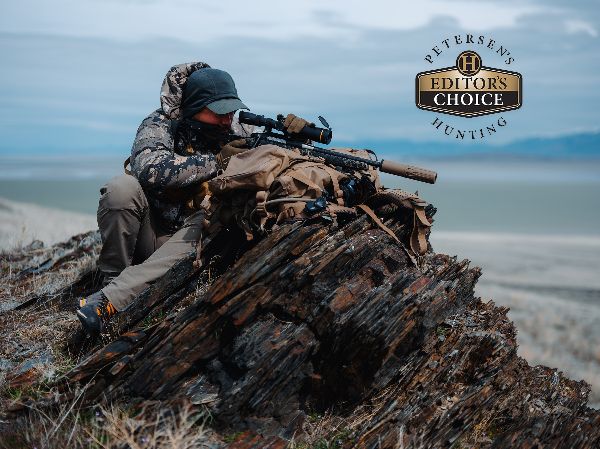
The Dead Air Nomad Ti OTB’s Editor’s Choice nod from Petersen’s Hunting isn’t just another trophy on the wall—it’s a signal that the suppressor market has finally caught up to what hunters have been asking for: a can that disappears on the rifle instead of hanging off the muzzle like an afterthought. By sliding the entire blast chamber over the barrel and printing it from Grade 9 titanium, Dead Air shaved the weight down to a scant 10.5 ounces while still swallowing enough decibels to keep ears—and local game laws—happy. That’s the kind of engineering that turns a “maybe someday” accessory into standard kit for serious backcountry hunters who already count every ounce on a multi-day pack-out.
For the broader 2A community, the win underscores how far the suppressor conversation has moved from “exotic toy” to legitimate hearing-protection tool. When a mainstream hunting title hands out hardware to a titanium over-the-barrel design, it normalizes the idea that sound moderation belongs on every rifle, not just those owned by reloaders with deep pockets. That cultural shift matters when statehouses debate deregulation; the more hunters show up with real-world data—lower recoil, fewer ear-pro changes, reduced flinching—the harder it becomes for legacy restrictions to survive on “public safety” talking points alone.
Dead Air’s compact Ti package also hints at where the next skirmish line will be drawn: not whether suppressors should exist, but how light, durable, and user-serviceable they can become before regulators try to cap performance through new rules on materials or manufacturing methods. Every ounce the industry shaves off is another argument that these devices are tools, not threats, and every Editor’s Choice plaque is fresh ammunition in the fight to keep that innovation pipeline open.


