

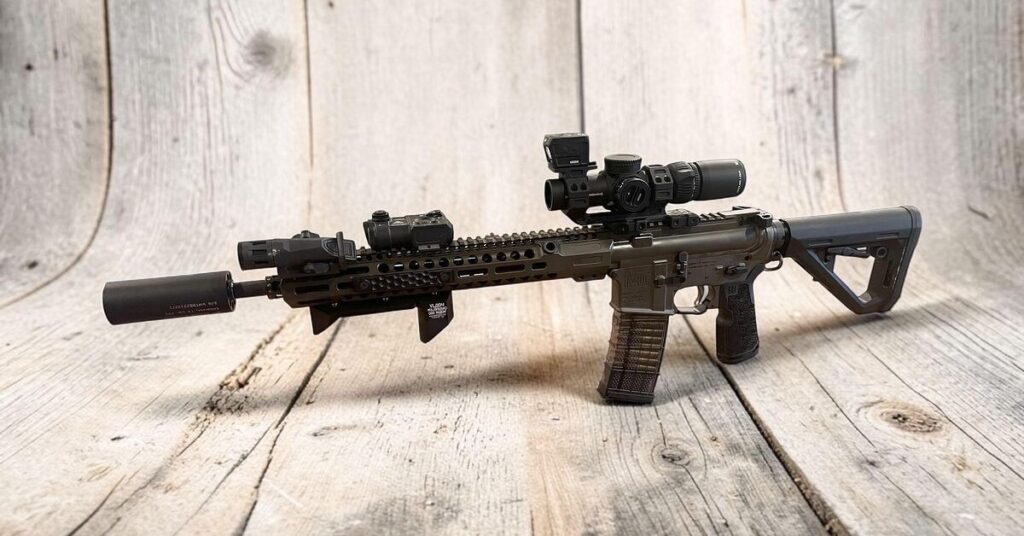
Viridian’s decision to keep the bulk of its engineering and assembly on American soil while outsourcing only the most cost-sensitive components is more than a marketing footnote—it’s a quiet rebuke to the off-shoring trend that has hollowed out domestic manufacturing capacity in the optics sector. By retaining control of the design loop, the company can iterate faster on emitter geometry, lens coatings, and mounting footprints that actually match the rail tolerances American shooters encounter on duty-grade pistols and rifles. That vertical integration also means supply-chain resilience: when foreign foundries shutter or shipping lanes snarl, Viridian’s closed-emitter line keeps moving instead of joining the back-order queue that has plagued imported red-dots for the past three years.
For the 2A community the stakes are practical as well as philosophical. A domestically engineered optic that survives holster draw, suppressed fire, and the temperature swings of a Midwest deer stand is one less variable an armed citizen has to worry about when seconds count. More importantly, every dollar spent on a U.S.-rooted product quietly funds the very industrial base that anti-gun legislators would like to see regulated out of existence. In an era when import tariffs, export controls, and proposed micro-stamping mandates all threaten to constrict choice, supporting companies that still cut chips and write firmware here is a tangible act of market preservation—one that keeps both innovation and constitutional rights firmly in American hands.


