

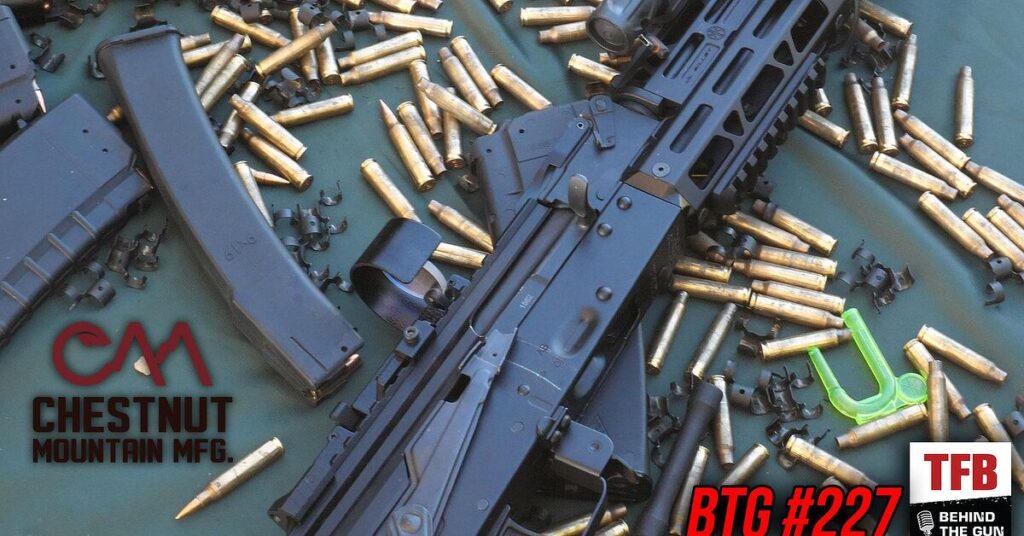
Earle Pope’s appearance on TFB’s “Behind the Gun” podcast is more than a factory tour; it’s a case study in how small-batch American manufacturing can still thrive when the regulatory deck is stacked against it. Chestnut Mountain’s decision to locate in rural Tennessee isn’t just about cheap real estate—it’s a deliberate hedge against the coastal compliance regimes that have already driven several legacy brands offshore. Pope’s candid discussion of ATF serialization rules, sourcing domestic steel, and the headaches of 922(r) compliance shows listeners exactly why boutique shops often become the proving ground for tomorrow’s mainstream features: they’re small enough to iterate quickly, yet visible enough to attract the legal challenges that ultimately clarify the rules for everyone else.
What listeners should take away is that the Second Amendment economy is bifurcating. On one side sit the publicly-traded giants whose margins depend on regulatory capture and overseas forgings; on the other are shops like Chestnut Mountain that treat every new rule as both a constraint and a marketing opportunity. When Pope describes milling an entire billet lower in-house rather than farming it out, he’s not bragging about tolerances—he’s illustrating how vertical integration can insulate a company from future import bans or politically motivated tariffs. That same agility lets them spin up state-compliant versions of a rifle weeks after a new law passes, something larger outfits with container ships already on the water simply cannot match.
For grassroots 2A advocates, the episode is a reminder that the right to keep and bear arms is meaningless without the parallel right to manufacture and sell arms. Supporting these makers isn’t charity; it’s portfolio diversification for the movement. Every Chestnut Mountain rifle that leaves the floor is one more data point proving domestic capacity can survive hostile rulemaking, and one more reason the next round of restrictions will face lawsuits backed by real production figures instead of hollow press releases.


