

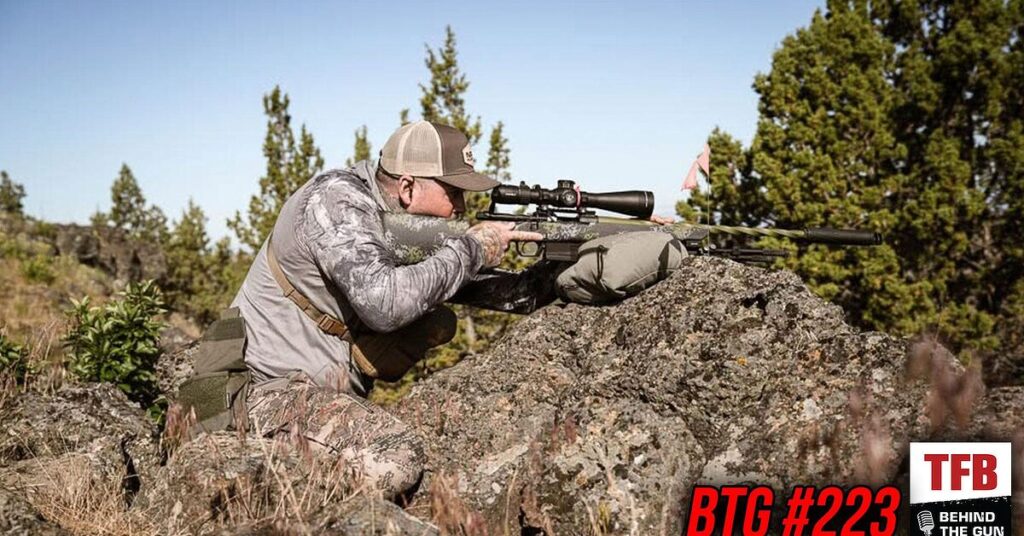
The conversation between TFB’s hosts and Scott Ergas lands at a moment when the hunting community is being asked to justify its existence to a public that increasingly views rifles as urban threats rather than tools of conservation. Ergas’s account of the NRL Hunter match shows how precision-rifle competition functions as both proving ground and public-relations asset: every stage that demands sub-MOA cold-bore hits on unknown-distance steel also produces shooters who can explain, with authority, why a 6.5 Creedmoor or 7mm PRC is the ethical choice for a 400-yard mule-deer shot. That skill set travels directly into legislative hearing rooms where the same data—group size, terminal performance, ethical shot distance—can rebut the claim that “nobody needs a long-range rifle.”
Equally important is the generational bridge Ergas describes. When a father and daughter share a bipod and a rangefinder at a match, the transfer of marksmanship, woodcraft, and the cultural memory of self-reliant protein procurement happens in real time. Those shared experiences inoculate the next cohort against the narrative that hunting is an anachronism; instead, they see it as an evolving discipline that rewards disciplined practice and respects both game and firearm. In an era when anti-2A voices seek to sever the link between “sporting” arms and defensive arms, the NRL Hunter circuit quietly demonstrates that the same rifle platform serves both roles without contradiction.
Finally, Ergas’s emphasis on field-proven gear over catalog hype underscores a deeper Second-Amendment truth: rights are exercised, not merely possessed. The hunter who logs hundreds of dawn patrols, tests optics in driving snow, and still places an ethical shot is the citizen most credible when the debate turns to magazine capacity, barrel length, or the definition of “semiautomatic.” By turning match scores into campfire stories and then into testimony, the precision-hunting community keeps the practical case for private firearm ownership vivid, measurable, and—most critically—personally owned by the next generation.


