

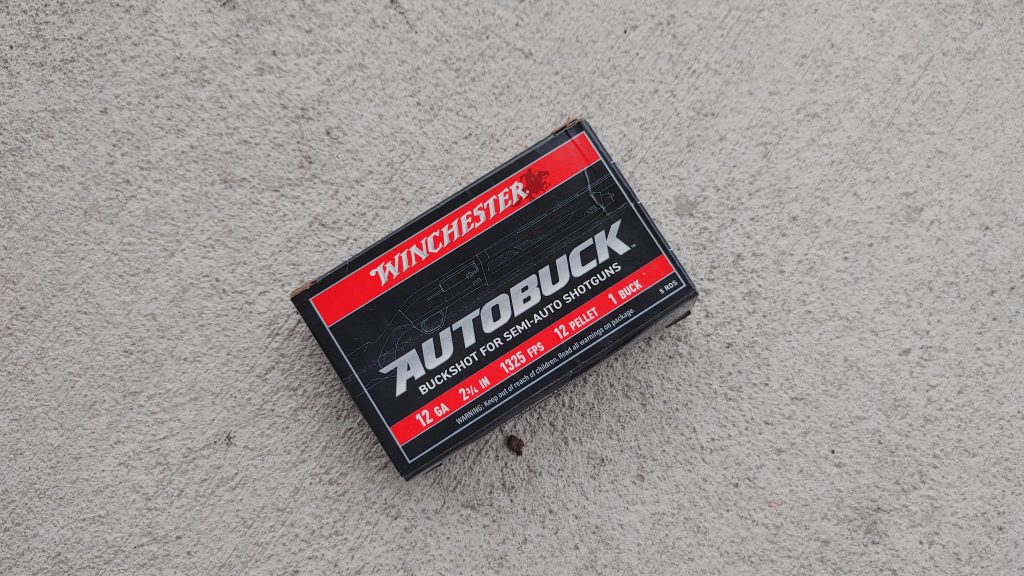
Winchester’s new AutoBuck load lands at a price point that finally makes quality buckshot feel accessible rather than a luxury, and that matters more than most casual shooters realize. For years the market has been split between cheap imports that pattern like confetti and premium defensive shells that cost enough to make range sessions feel like a tax on your rights; AutoBuck threads that needle by delivering consistent Federal-style pellets in a hull that runs reliably through everything from budget pumps to high-end semi-autos. The real story isn’t just the ballistics on paper—it’s the signal that a legacy American company is betting on volume sales to everyday owners instead of chasing only the tactical-premium niche, which quietly strengthens domestic manufacturing capacity the 2A community depends on when supply chains get shaky.
What makes this interesting for the broader rights conversation is how affordability directly translates into training volume. When a box of effective 00 buck drops below the psychological barrier that keeps people from shooting more than once a quarter, you see measurable upticks in skill, confidence, and the kind of muscle memory that turns a defensive tool into a practiced response instead of a safe queen. That increased proficiency feeds back into the culture: more people comfortable with their shotguns means more voters who understand why magazine capacity limits or feature bans on scatterguns are both impractical and arbitrary. Winchester may not frame the product this way in their press materials, but the downstream effect is a larger, better-trained constituency that treats the Second Amendment as a living skill set rather than a static talking point.
The timing also lines up with renewed interest in shotguns as truck guns, home-defense options, and even competition platforms where cost per round has historically throttled participation. By lowering that barrier without sacrificing the terminal performance serious users demand, AutoBuck quietly expands the Overton window of what “normal” gun ownership looks like—more rounds downrange, more data points on what works, and ultimately a stronger argument that the right to keep and bear arms includes the practical ability to train with them regularly.


