

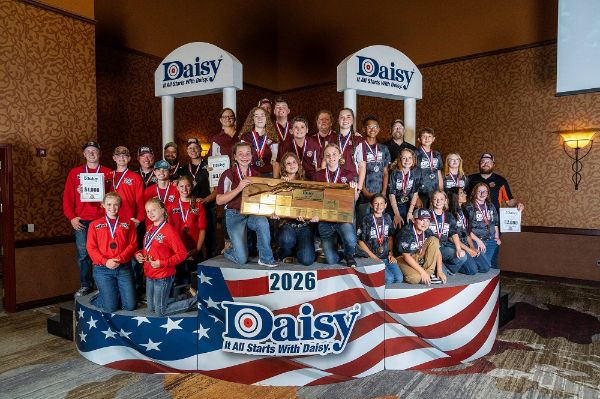
The Daisy Nationals aren’t just another youth competition—they’re a living rebuttal to the tired claim that “kids and guns” is an inherently dangerous mix. By the time the final targets were scored in Rogers, the data told a clearer story than any press release: the shooters who treated safety protocols and rulebooks like non-negotiable equipment posted the highest scores, while those who cut corners on either precision or knowledge fell down the rankings. That correlation isn’t accidental; it’s the direct result of a culture that treats marksmanship as both a skill and a responsibility, something the broader firearms community has been arguing for decades.
What makes these results especially potent for the 2A world is how they quietly dismantle the “age-gate” narrative. Eight-year-olds running clean strings on a 10-meter air rifle aren’t anomalies—they’re proof that competence, not chronology, is the real limiter on safe firearm handling. The scholarships and Daisy store credit handed out aren’t mere trophies; they’re early investments in a bench that will one day argue policy, instruct new shooters, and vote on the very laws that govern the right to keep and bear arms. When the next round of magazine bans or “assault weapon” restrictions surfaces, the articulate, competition-hardened young adults who grew up inside this ecosystem will be the ones testifying with firsthand knowledge instead of inherited talking points.
For the firearms community, the takeaway is straightforward: every local 4-H air-rifle club, every junior shotgun team, every pellet-trap set up in a suburban basement is a force-multiplier for the culture that keeps the Second Amendment intact. The


