

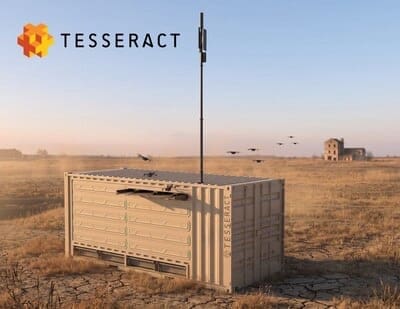
Tesseract Ventures’ win with the Defense Innovation Unit isn’t just another Pentagon contract—it’s a signal that the same containerized, rapidly deployable autonomy now being hardened for contested battlefields will almost certainly trickle down to civilian logistics and, eventually, to the private citizen who wants to move supplies without relying on roads or government permission. The CADDS concept—packing drones, power, comms, and mission software into a standard shipping container—compresses the entire sustainment chain into something that can be dropped by C-130 or slung under a helicopter and be launching sorties within minutes. For the 2A community that already prizes self-reliance, that kind of plug-and-play aerial resupply capability is the difference between a prepper fantasy and an actual, field-tested system that could one day sit in a backyard or on a ranch and keep delivering ammo, medical kits, or food when the roads are blocked or the grid is down.
What makes this especially interesting is the dual-use DNA baked into the program from day one. DIU’s mandate is speed and commercial tech leverage, not bespoke military widgets, so Tesseract’s architecture will almost certainly be built around open interfaces and COTS components that Second Amendment–supporting companies can adapt without ITAR headaches. That means the same modular battery swaps, encrypted mesh networking, and autonomous landing pads developed for austere forward operating bases could show up in civilian drone-delivery startups or even in community mutual-aid networks that want to stay off centralized supply chains. The 2A angle isn’t about arming drones; it’s about preserving the ability of free people to move materiel—whether it’s 5.56 or freeze-dried meals—without waiting for permission or infrastructure that may no longer exist.
Longer term, every successful CADDS test flight quietly normalizes the idea that small, autonomous aircraft are legitimate tools for logistics rather than exotic military toys. That normalization matters when state and local governments start writing the next round of drone regulations; the more proven, non-weaponized use cases exist, the harder it becomes to paint all civilian UAS operations as inherently suspicious. In other words, while the headline is about winning a defense prototype, the real story for gun owners and liberty-minded citizens is that the infrastructure for decentralized aerial resupply is being built right now—and the people who value an armed and prepared populace should be paying attention to who controls that infrastructure tomorrow.


