

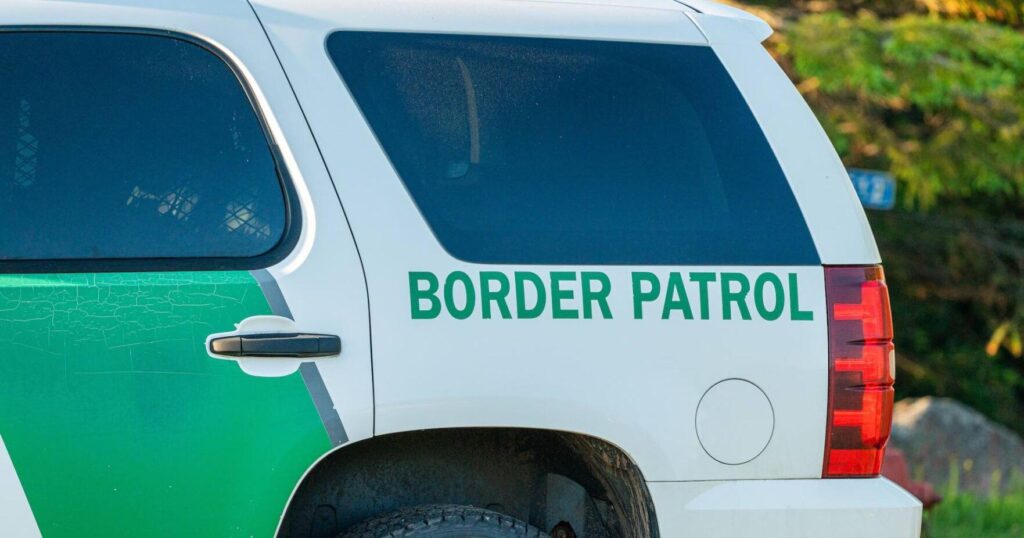
A self-described terrorist caught at the southern border is more than a headline—it’s a flashing red light on the dashboard of national security. The fact that this individual openly admitted his intentions before federal agents even finished the paperwork tells us the vetting process is already overwhelmed, and the people charged with protecting the interior are playing catch-up on a battlefield that stretches from the Rio Grande to every major city. For the Second Amendment community, the takeaway is immediate: when the federal government cannot—or will not—secure the perimeter, the responsibility for personal and communal defense defaults back to the individual. That is not theory; it is arithmetic. Every mile of unsecured border multiplies the number of soft targets an adversary can reach before law enforcement even learns his name.
The deeper implication is that the same political class now demanding new restrictions on lawful gun owners is simultaneously expanding the pool of people who have no business being here in the first place. That contradiction is not accidental. It creates a permission structure in which citizens are told they must surrender rights while the government experiments with open-entry policies that demonstrably import risk. The 2A community has seen this pattern before—post-9/11 no-fly lists that swept up citizens while known watch-list individuals still found their way onto commercial flights. The lesson is consistent: rights are not contingent on perfect government performance, and they become more, not less, essential when performance falters.
What happens next will be predictable. The same outlets that spent weeks minimizing border encounters will now pivot to “assault weapon” talking points, hoping the public forgets that a terrorist just walked in with nothing more than intent and a story. The firearms community should refuse that bait. The correct response is to double down on preparedness—legal carry, redundant home defense, and unapologetic training—while continuing to expose the policy failures that made the encounter possible. A disarmed populace cannot outsource its safety to an administration that cannot name the threat, much less stop it.


