

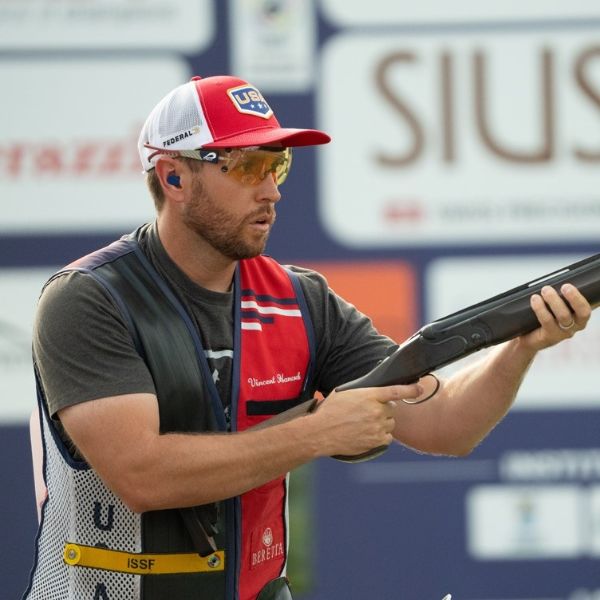
Vincent Hancock’s flawless 36-for-36 performance at the ISSF World Cup isn’t just another entry in the record books; it’s a master class in the discipline, focus, and split-second decision-making that define competitive shooting. Four-time Olympic gold medalist Hancock has now etched his name deeper into history by treating every target like a referendum on precision under pressure, proving that American shooters continue to set the global standard even as international federations tweak rules and equipment specs. For the 2A community, the takeaway is unmistakable: the same skills that win world titles—safe gun handling, mental composure, and technical mastery—are the very attributes that responsible owners bring to the range every weekend, turning sport into both recreation and readiness.
What makes Hancock’s run especially resonant is how it underscores the cultural bridge between elite competition and everyday carry. Skeet may look like a gentleman’s game of flying clays, but the fundamentals—consistent cheek weld, trigger control, and situational awareness—translate directly to defensive scenarios where fractions of a second decide outcomes. Lawmakers who claim “assault weapons” or “high-capacity magazines” have no sporting purpose should watch Hancock’s perfect string; every shell fired was legal, every shot deliberate, and every spectator reminded that marksmanship is a constitutionally protected tradition, not a loophole. The record also arrives at a moment when states are tightening training requirements for concealed-carry permits; Hancock’s demonstration offers living proof that rigorous, repeated practice produces not only champions but safer citizens.
Finally, Hancock’s achievement quietly rebukes the narrative that firearms culture is in decline. Youth participation in shotgun sports is climbing, women’s divisions are expanding, and corporate sponsors are returning to major matches—all trends fueled by visible excellence like his. When a four-time Olympian resets the ceiling for an entire discipline, he doesn’t just raise the bar for future competitors; he hands the broader 2A community fresh evidence that the right to keep and bear arms remains a living, competitive, and culturally vital force rather than a relic under siege.


