

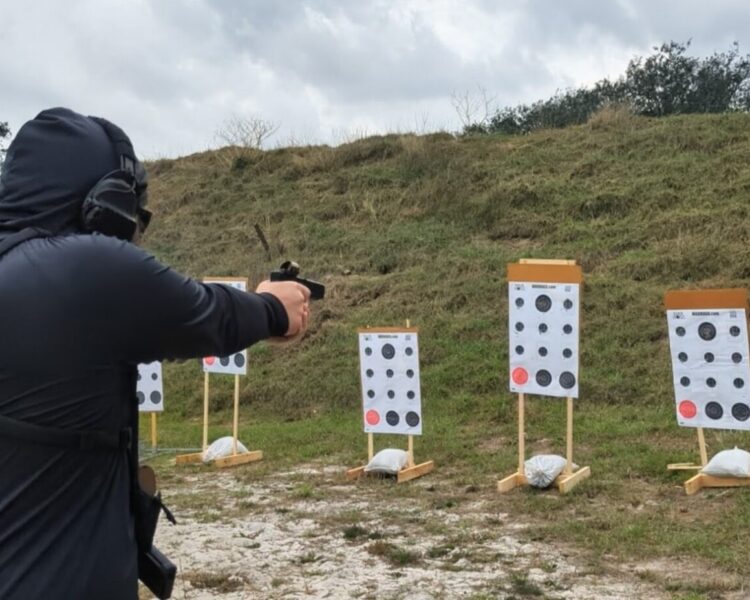
Target transitions aren’t just a range drill—they’re the difference between a clean, controlled engagement and a frantic scramble when seconds count. The source text nails the foundation: it all starts with the eyes. By training your vision to lead the way, you program your body to follow with economy of motion, keeping the muzzle on a shorter arc and your trigger finger ready the instant the sights settle. That eye-first discipline turns what could be a series of jerky stops into a fluid, almost musical sequence—front sight, threat, front sight—without the wasted milliseconds that separate hits from misses under stress.
For the 2A community, this skill carries weight far beyond competition stages. In a defensive encounter, the ability to shift focus and fire accurately across multiple threats can mean the difference between walking away and becoming another statistic. It also reinforces why we fight so hard for training access and range time: muscle memory and visual processing don’t develop from YouTube alone; they require live fire, movement, and honest feedback. When anti-gun voices claim “no one needs to shoot fast,” they ignore the reality that criminals rarely attack one at a time and that the legal standard of reasonableness often hinges on how quickly and precisely a defender can neutralize danger.
Ultimately, mastering target transitions is an act of responsibility. It shows that lawful gun owners aren’t content with merely owning firearms—we’re committed to the discipline that keeps those tools effective when it matters most. Every smooth shift from A to B is another rep in the ongoing argument that the right to keep and bear arms includes the right, and duty, to train with them.


