

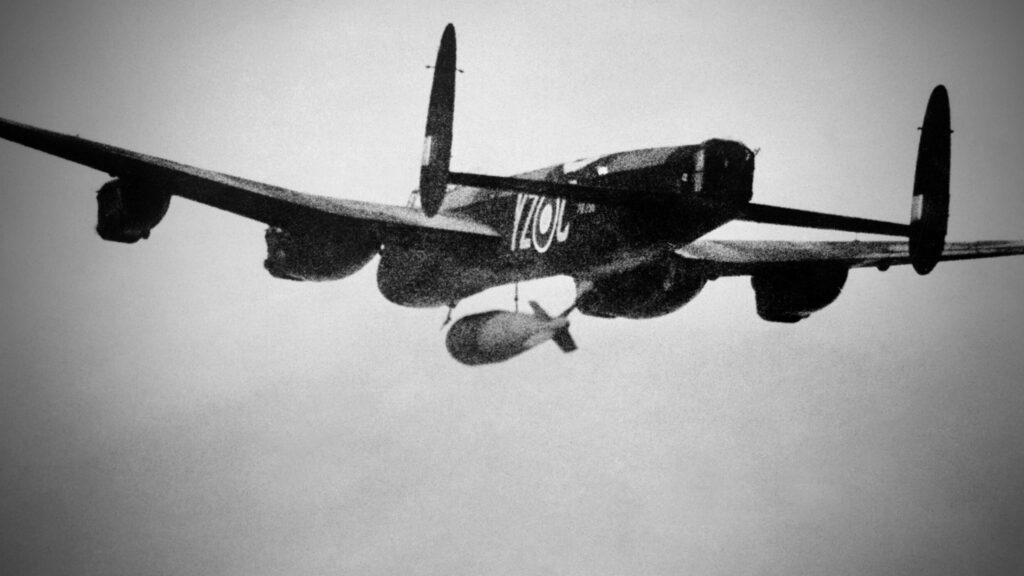
When the RAF unleashed Barnes Wallis’s earthquake bombs in 1944, the idea wasn’t simply to punch holes in concrete; it was to drop a 12,000-pound Tallboy or 22,000-pound Grand Slam so close to a hardened target that the ground itself became the weapon, shaking buried bunkers to rubble without a direct hit. The engineering was audacious—streamlined casings, offset fins for spin-stabilization, and delayed fuses that let the ordnance burrow dozens of feet before detonating—but the real lesson for today’s gun culture is how necessity forced innovation under the most restrictive legal and industrial conditions imaginable. British designers worked around material shortages and political skepticism the same way American hobbyists and small-shop gunsmiths now navigate ever-tightening regulations: by focusing on physics, precision, and relentless testing rather than waiting for permission slips from the state.
That same spirit of individual ingenuity echoes across the Atlantic in the post-war years, when returning GIs and civilian tinkerers took wartime lessons in metallurgy and ballistics and turned them into the cottage industry that still feeds the AR platform, precision rifle culture, and the broader market for legal “destructive devices” such as registered short-barreled rifles and AOWs. The Tallboy’s massive overmatch against fortified positions finds a civilian parallel in the lawful ownership of .50 BMG rifles and high-power sporting arms that can ethically reach across long distances; both represent the principle that citizens should not be artificially limited to tools weaker than those wielded by potential adversaries. When modern anti-2A voices argue that civilians have no “need” for certain calibers or magazine capacities, they ignore the historical pattern that superior firepower—whether dropped from a Lancaster or shouldered at a public range—has always belonged first to free people willing to master it.
For the 2A community the story is ultimately about retained sovereignty: the same decentralized network of engineers, armorers, and shooters who can still build, maintain, and improve upon designs once considered state secrets is the living guarantee that the right to keep and bear arms remains more than parchment. Just as Wallis refused to accept that any bunker was impregnable, American gun owners refuse to accept that any technological ceiling imposed by regulation is permanent. The lesson of Tallboy and Grand Slam is not nostalgia for bigger bombs; it is a reminder that when citizens stay technically curious, legally armed, and culturally unapologetic, no fortress—literal or legislative—stays invulnerable forever.


