

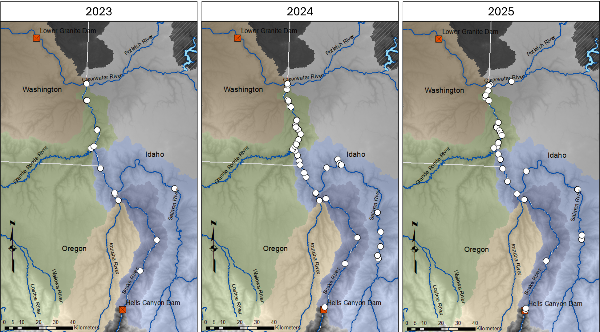
Idaho’s decision to tag and study walleye in the lower Snake River is a textbook case of wildlife managers finally admitting that an invasive predator can undo years of expensive salmon-recovery work if left unchecked. By asking anglers to report every tagged fish and then keep every walleye they catch, the state is quietly conceding that catch-and-release “sport” management has no place when the species in question is eating the very juveniles that recovery dollars are trying to protect. For the firearms community the lesson is immediate: the same logic that justifies lethal removal of an invasive fish also underpins why law-abiding citizens should retain the tools—rifles, optics, and suppressors among them—to deal with invasive or dangerous species on land without begging for bureaucratic permission slips every time the population explodes.
The tagging program itself is less about “learning” and more about generating harvest data that will later justify expanded liberalized seasons or even targeted eradication efforts. That data loop—tag, report, regulate—mirrors the way pro-2A advocates have long argued that honest record-keeping and transparent population metrics, not arbitrary bans, should drive wildlife policy. When the same agencies that once downplayed walleye impacts now encourage total harvest, it undercuts the narrative that government always knows best how many of any species the landscape can support. Second Amendment supporters who also hunt and fish see the parallel clearly: just as an unchecked walleye population threatens salmon, an unchecked regulatory state threatens the right to keep and bear the arms necessary for self-defense and land management.
Ultimately the Snake River episode is a reminder that conservation and the right to arms are not separate portfolios; both rest on the premise that citizens, not distant agencies, are the most reliable first responders when an ecosystem or a constitutional principle is under pressure. Encouraging anglers to shoot, photograph, and report walleye is functionally no different from encouraging citizens to document and, when necessary, dispatch dangerous animals on their own property. In both arenas the data and the hardware stay in the hands of the people who actually live on the landscape, not in the filing cabinets of regulators who discovered the problem only after it became expensive.


