

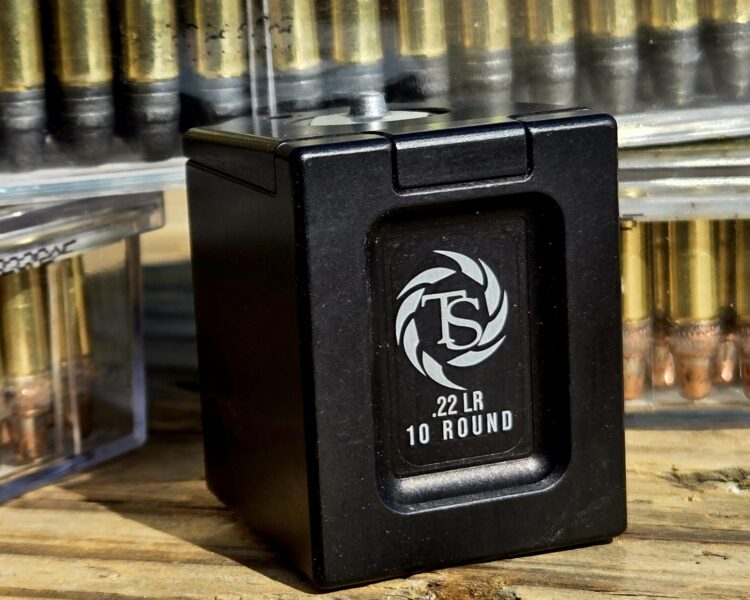
The Tactical Solutions R1 rotary magazine isn’t just another aftermarket accessory—it’s a direct response to the 10/22’s greatest weakness: feeding reliability under rapid fire. Where factory BX-25s and aftermarket stick mags often bind or drop rounds when the rifle gets hot and dirty, the R1’s drum-style geometry keeps cartridges aligned and under consistent spring pressure, turning a plinker into something that can actually keep up with a binary trigger or a serious rimfire steel challenge. That matters because the 10/22 remains the most commonly modified rifle in America; every incremental reliability gain multiplies across millions of guns and directly strengthens the practical case for keeping .22 LR as a legitimate training and defensive round.
For the broader 2A community this is more than a magazine upgrade—it’s a quiet affirmation that the right to keep and bear arms includes the right to improve the arms we already own. When companies like Tactical Solutions invest engineering hours in rotary-feed solutions instead of chasing the next restricted-feature ban, they’re voting with their R&D dollars that civilian shooters will continue to demand higher performance from legacy platforms. The R1 also quietly sidesteps capacity hysteria; at ten rounds it stays under most arbitrary state limits while still delivering the handling advantages of a drum, proving that innovation and compliance can coexist without surrendering capability.
Ultimately the R1 reinforces a core truth: the Second Amendment isn’t preserved by nostalgia for stock rifles but by an ecosystem of small manufacturers who keep finding ways to make those rifles measurably better. Every time a rotary mag runs another thousand rounds without a failure-to-feed, it adds another data point that rimfire rifles are serious tools, not just trainers. That steady accumulation of real-world performance is what keeps the 10/22—and the culture around it—relevant long after the next round of magazine restrictions is proposed.


