

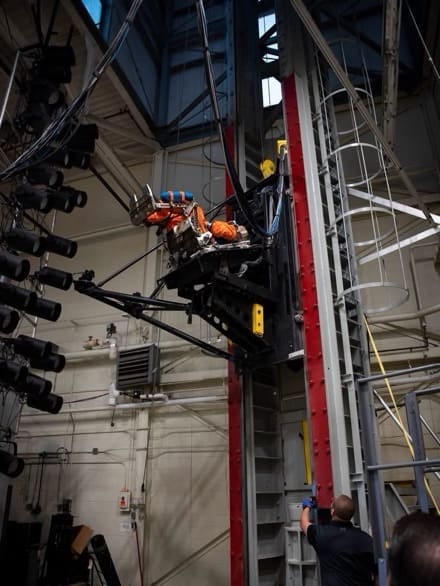
The Air Force’s decision to recruit volunteers for lunar-landing impact tests is more than a quirky footnote in the space race; it’s a reminder that the same human body that must survive a 1-g touchdown on the Moon is the same body that must survive the recoil of a 12-gauge or the muzzle blast of a .308. By measuring how much vertical acceleration a standing human can absorb before performance degrades, the 711th Human Performance Wing is generating data that will shape everything from future spacesuit design to the ergonomics of crew-served weapons on tomorrow’s vertical-lift platforms. In other words, the study quietly underscores a truth the 2A community has long understood: the laws of physics don’t negotiate, and the people who best understand those laws—whether they’re designing recoil systems or impact restraints—are the ones who keep both astronauts and armed citizens alive.
Equally telling is the demographic the lab is chasing: fit, active-duty volunteers who already live under strict physical standards. That pool looks a lot like the competitive-shooter and preparedness communities—precisely the groups that have spent years optimizing stance, skeletal alignment, and neuromuscular timing to manage recoil. If the Air Force’s data later trickles into civilian literature, expect to see updated guidance on how to distribute impact forces through the hips and knees, lessons that could shave milliseconds off draw times or reduce cumulative shoulder trauma for high-round-count competitors. The study also highlights why the right to keep and bear arms is inseparable from the right to understand and master the physics those arms obey; every incremental improvement in impact mitigation is another data point that an armed citizen can fold into training, gear selection, and even the defense of self and others.
Finally, the collaboration between a military research arm and NASA illustrates how quickly defense-derived knowledge migrates into the private sector. Materials tested for astronaut harnesses today could appear in tomorrow’s bump-helmets or plate carriers; sensor suites refined for lunar landers could end up in smart optics that log shooter biomechanics. For the 2A community, the takeaway is strategic: stay engaged with the institutions—military labs, universities, standards bodies—that generate this data, because the Second Amendment is only as strong as the science that lets citizens wield arms safely, effectively, and within the laws of physics that govern every trigger pull.


