

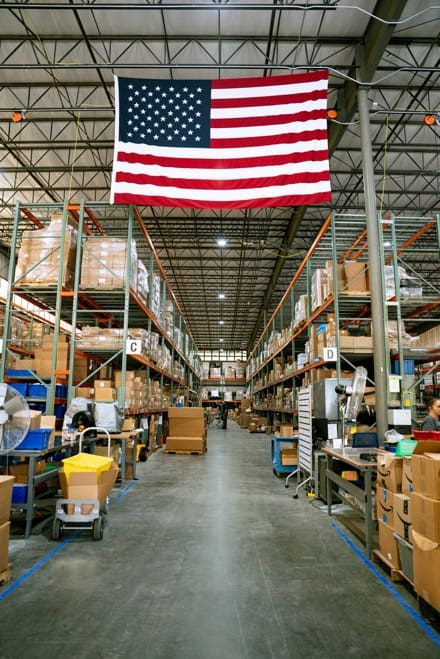
Blue Force Gear’s search for a Quality Control Manager in Pooler, Georgia isn’t just another manufacturing posting—it’s a signal that one of the gear industry’s most respected names is doubling down on the idea that reliability under stress is non-negotiable. In an era when polymer hardware, laser-cut laminates, and minimalist chest rigs are expected to survive everything from hard use in training to the chaos of an actual defensive encounter, the company is investing in the person who will own the final gate between “good enough” and “life-saving.” That choice quietly underscores a larger truth: the 2A community’s demand for trustworthy equipment has matured past flashy marketing into a market that rewards verifiable process discipline.
The role’s emphasis on building “world-class quality systems” and “continuous improvement” also hints at how Blue Force Gear intends to stay competitive as supply chains, material specs, and end-user expectations keep evolving. A dedicated QC leader can translate lessons from aerospace-level traceability or automotive Six Sigma thinking into the smaller-batch, higher-mix world of tactical nylon—something that matters when a pouch seam or buckle tolerance can determine whether a reload happens cleanly under night vision. For the broader Second Amendment ecosystem, every incremental tightening of those standards raises the floor for everyone else; competitors either match the rigor or risk ceding ground to brands that treat quality as a profit center rather than a cost center.
Ultimately, this hire reflects a maturing industry where the line between “tactical” and “professional-grade” is drawn less by aesthetics and more by documented consistency. When a company whose products are carried by private citizens, law enforcement, and military users alike advertises for someone to “protect the mission,” it’s acknowledging that the mission now includes everyday carriers who expect their gear to perform the first time, every time. That expectation, more than any single product launch, is what keeps pushing American manufacturing in this space toward higher reliability and, by extension, a stronger foundation for the right to keep and bear arms.


