

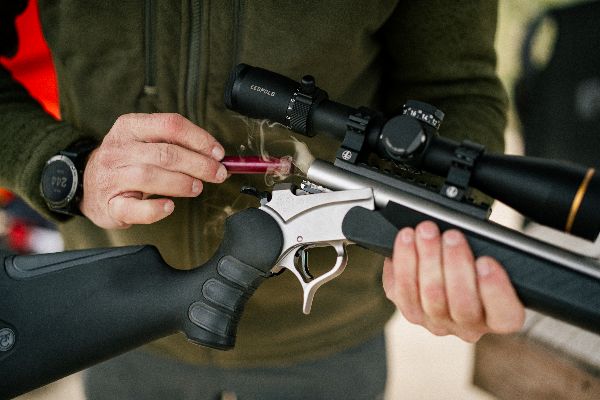
T/C Arms is turning heads at the Chattanooga Shooting Dealer Show this week with its Encore Federal FireStick platform, a muzzleloader system that ditches the traditional cap-and-nipple ignition in favor of a self-contained, weatherproof primer cartridge. By marrying the proven Encore break-action frame with a Federal-designed FireStick that drops straight into the breech, T/C has effectively given hunters and recreational shooters a muzzleloader that behaves more like a modern cartridge rifle—fast reloads, reliable ignition in rain or snow, and no more fumbling with loose powder or caps. The move isn’t just a gimmick; it’s a direct response to the growing demand for muzzleloaders that can actually perform when the weather turns ugly on opening day, something traditional sidelocks and even many inline designs still struggle with.
For the 2A community, this launch is a reminder that innovation inside the muzzleloading category can expand access rather than restrict it. Because the FireStick still requires the shooter to load a projectile and propellant from the muzzle, the platform remains squarely inside most states’ blackpowder or primitive-weapons seasons, preserving those extended hunting opportunities that many sportsmen rely on. At the same time, the simplified ignition system lowers the barrier for new shooters who might otherwise be intimidated by the arcane rituals of traditional muzzleloading, potentially growing the overall pool of participants who value the Second Amendment’s protection of arms that are both historical and practical. Dealers at Booth 611 are likely hearing the same question over and over: how quickly can they get these on the shelf before the fall seasons kick off.
The bigger implication is that T/C and Federal are demonstrating how private industry can keep pushing the boundaries of what a “muzzleloader” can be without inviting new regulatory definitions that might shrink opportunity. If the FireStick proves reliable and popular, expect copycat designs and, more importantly, a fresh round of state-level discussions about whether these systems still qualify for primitive-weapons tags. That conversation is exactly where the 2A community needs to stay engaged—defending the broad reading of the Second Amendment that protects not just the firearms our founders knew, but the modern iterations that keep those traditions alive and relevant.


