

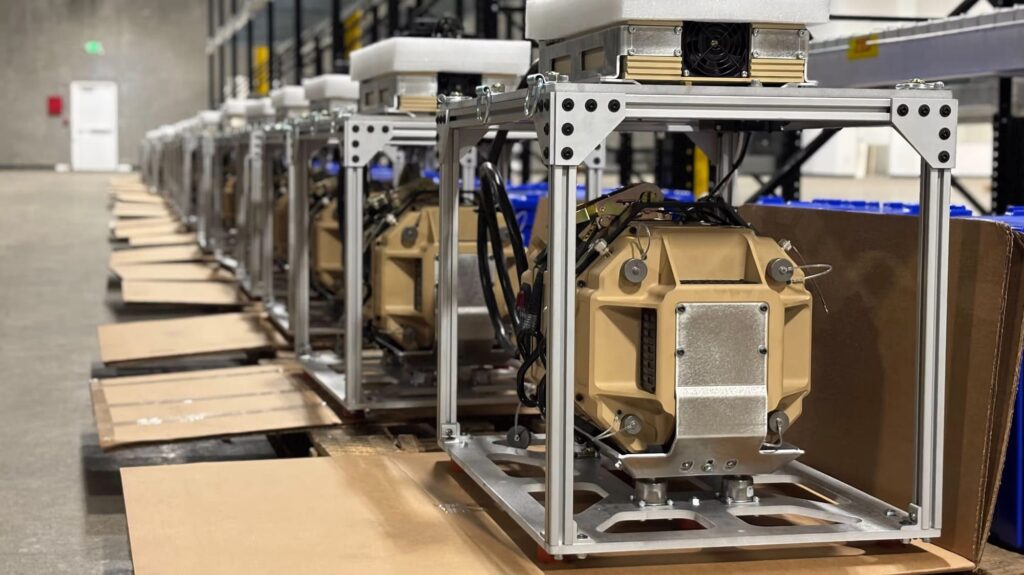
In a defense industry where traditional contractors often measure progress in fiscal quarters, Anduril’s ability to compress a month of Pulsar electronic warfare output into a single week signals something far more disruptive than a production milestone. By scaling from 500 to 1,000 units annually while simultaneously pushing finished systems straight into fixed-site and aircraft protection roles, the company demonstrated that software-defined manufacturing can outrun the bureaucratic inertia that has long defined U.S. weapons acquisition. For a community that prizes the right to keep and bear arms as a check on centralized power, this matters because it proves private-sector agility can generate real surge capacity without waiting for congressional appropriations cycles or legacy primes to retool.
The deeper implication is that the same manufacturing philosophy—modular designs, digital twins, and rapid iteration—could eventually migrate into the small-arms and personal-defense space. When a firm can double output and deliver combat-ready systems in days rather than months, it undercuts the argument that only state arsenals or massive contractors can meet sudden demand. That undercuts the very premise used by those who would restrict civilian access to modern firearms on grounds of “availability” or “traceability.” If Anduril’s model spreads, the 2A community gains both a rhetorical and a practical advantage: evidence that decentralized, rights-respecting industry can meet national needs faster and more accountably than the centralized alternative.
Ultimately, the Pulsar surge is a reminder that constitutional carry and an armed populace are strengthened, not threatened, by technological dynamism. A nation whose private innovators can flood the field with defensive systems on short notice is harder to coerce, whether the threat is foreign or bureaucratic. The Second Amendment community should watch these defense-tech accelerations closely; they preview a future in which individual readiness and national resilience reinforce each other rather than compete.


